
Smart Irrigation Installation For Your Home Landscape
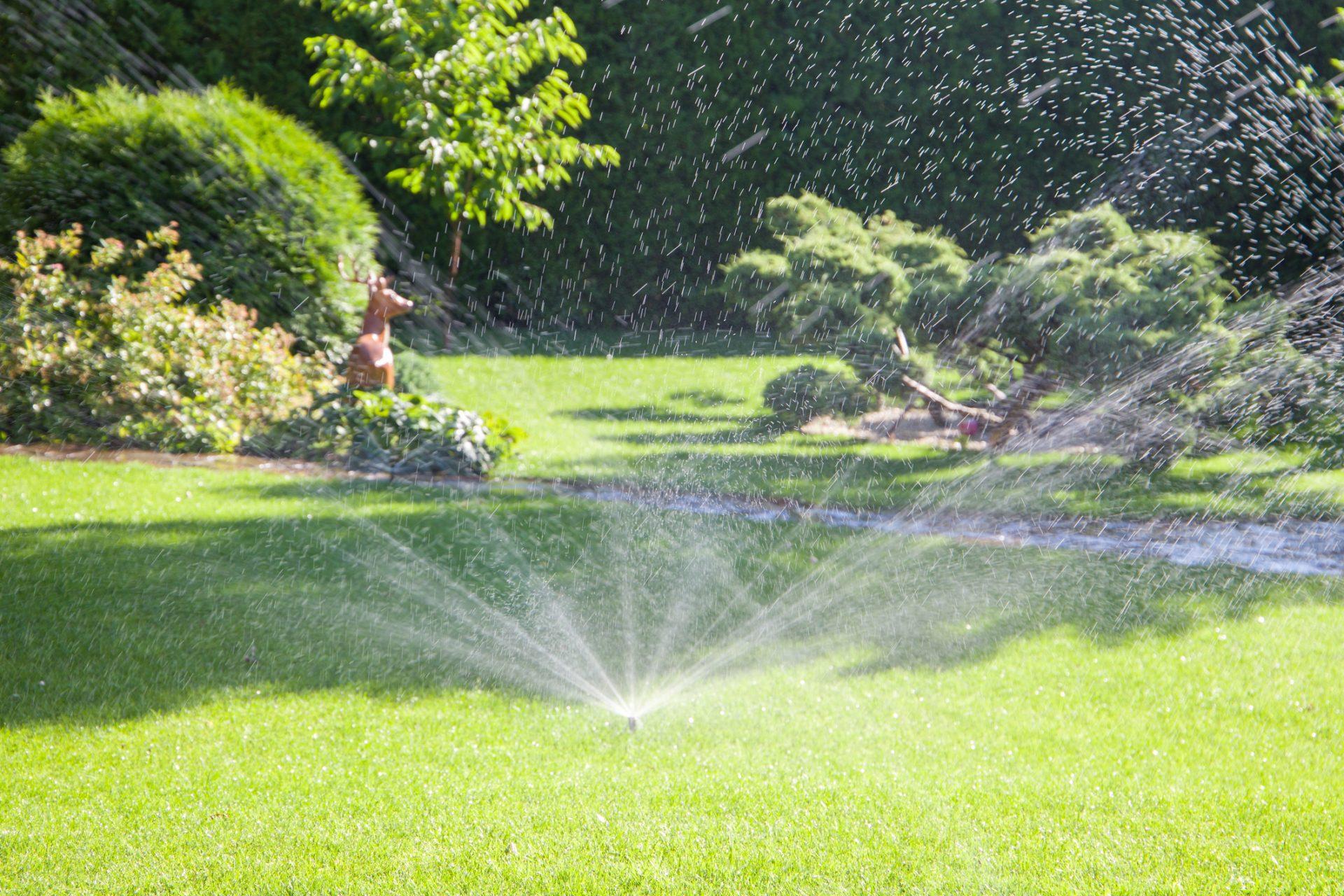
Homeowners often struggle to keep their yards lush without wasting water. When you water by hand or rely on outdated timers, it’s easy to over-irrigate and drown plants or under-irrigate and watch them wilt. Inconsistent watering also drives up utility bills and takes time away from enjoying the yard. A smart irrigation installation for your home landscape solves these problems by tailoring watering to local weather, soil conditions, and plant needs. As water rates rise and communities implement restrictions, a modern system helps you care for your lawn and garden without waste.
Without guidance, it’s hard to know which products to choose or how to program them. You may have heard about weather-based controllers, soil moisture sensors, or drip emitters but aren’t sure how they work. Many households continue using basic timers that run for the same length year-round, even though plants need less water in the spring and fall. Clueless programming leads to soggy patches, dry spots, and frustration. On top of that, the high initial cost of installation can be intimidating when you don’t know what factors affect price.
The good news is that today’s smart irrigation technology is accessible and reliable. Whether you have a small garden or a half-acre lawn, the right smart irrigation installation for your home landscape will deliver precise amounts of water when and where it’s needed. This guide breaks down the features you’ll use, compares drip and sprinkler options, explains cost factors, shows how to program your controller, and details a maintenance checklist. You’ll also see how a proactive landscaping partner can handle everything, from design to installation to ongoing service.
Why Smart Irrigation Saves You Water And Time
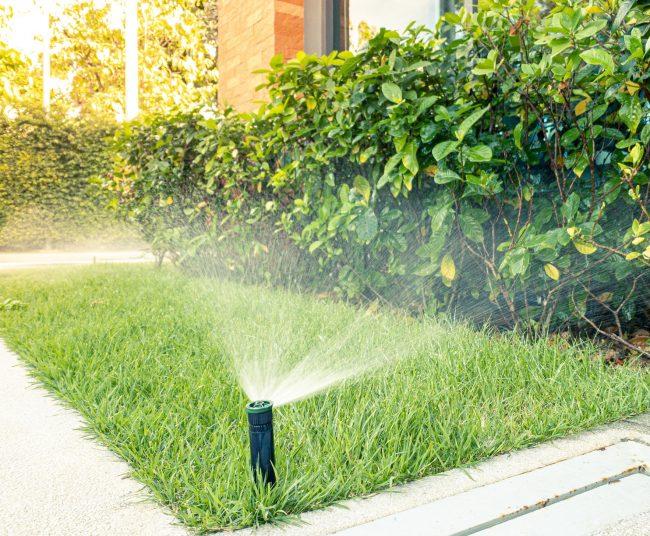
Switching from fixed-time sprinklers to smart systems may seem like a small change, but the water savings add up fast. Weather-based controllers adjust run times based on temperature, rainfall, and humidity. These controllers can reduce outdoor water use by up to 40 percent while keeping lawns healthy. Soil moisture sensors go even further, watering only when the soil moisture falls below a set threshold. Those savings translate to lower water bills and less time spent adjusting run times.
A smart irrigation installation for your home landscape also reduces runoff and evaporation. Drip or micro irrigation delivers water slowly and directly to plant roots. This method achieves over 90 percent efficiency, while traditional sprinklers lose 30 to 50 percent of water to wind and evaporation. Slow, low-volume watering encourages deeper root growth and stronger plants. By watering only as much as needed, you save time and avoid the hassle of dragging hoses across the yard.
Features You’ll Actually Use
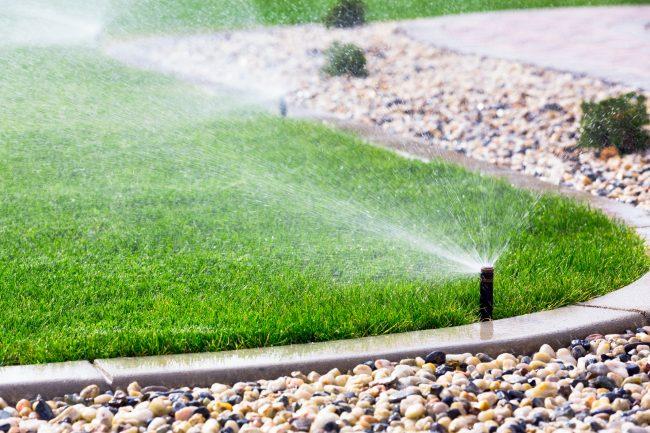
Modern smart irrigation systems for homeowners include two main types of controllers: climate-based (ET) and soil-moisture controllers.
- Smart weather-based controllers monitor local weather data and adjust schedules so your yard only receives the water it needs. They rely on real-time weather data to calculate the amount of water that will evaporate from the soil. They adjust watering automatically and can save significant water each year. Many models can connect to Wi-Fi or weather stations and allow control or oversight through mobile apps.
- Soil moisture sensors measure how wet or dry the soil is and stop watering when moisture levels are sufficient. These sensors can dramatically cut water waste during wet seasons and prevent under-watering during dry periods.
Add-on accessories like rain or freeze sensors can further improve efficiency. Some rain sensors can stop irrigation during rainfall, while freeze detectors prevent watering during cold snaps. These technologies may sound complicated, but you’ll appreciate their convenience once they’re set up. Many controllers now include mobile apps for scheduling, notifications, and manual adjustments. With help from a knowledgeable installer, you’ll enjoy the benefits without needing technical know-how.
What Serves Your Lawn And Plant Beds Best
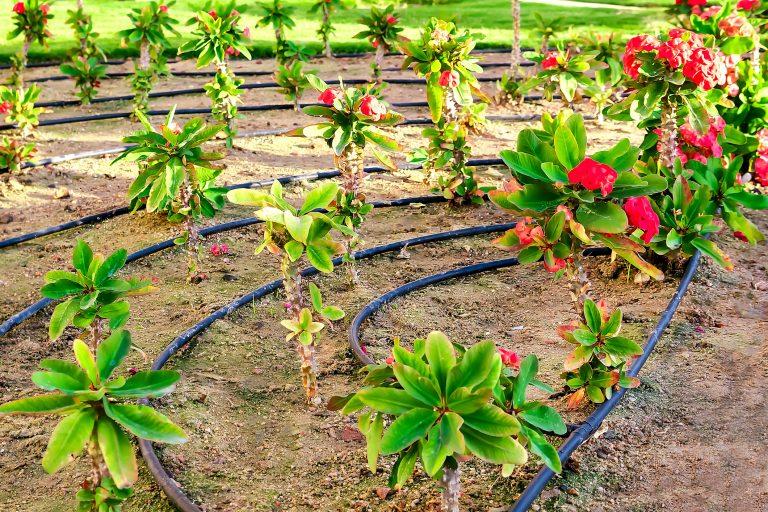
Choosing between drip irrigation vs sprinklers for garden beds depends on how your yard is planted. Drip systems deliver water slowly near the base of plants through tubing and emitters. This method is over 90 percent efficient and ideal for narrow beds, slopes, and shrubs. Drip irrigation prevents overspray on walls and reduces mould, staining, and evaporation.
Sprinklers work best for lawns and larger open areas. Rotor heads distribute water more evenly over large spaces, while spray heads are better for small zones. Sprinklers are usually less efficient than drip systems, but they’re perfect for lawns where coverage is essential. The most effective smart irrigation installation for your home landscape often uses both: drip for garden beds and sprinklers for turf areas. Your installer can zone these systems separately to maximise efficiency.
Cost Factors To Expect Before You Approve An Installation
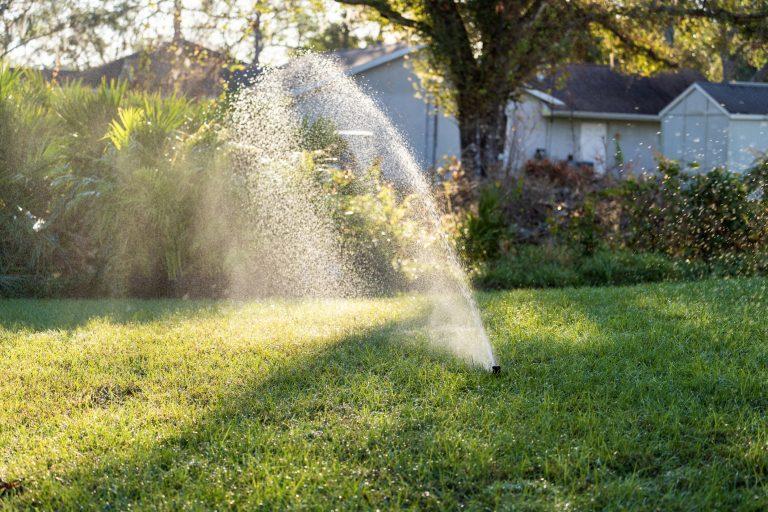
The cost of irrigation installation varies depending on yard size, soil, number of zones, and technology. Drip systems can be slightly more expensive per square foot but offer greater long-term savings.
Key cost factors include:
- Yard size and layout – Larger or irregularly shaped yards require more materials and labor.
- Number of zones – More zones mean greater flexibility but also higher equipment and installation costs.
- Technology and sensors – Smart controllers and sensors cost more upfront but pay off in reduced water bills.
- Soil and slope – Clay soil or steep areas may need additional drip lines or heads to prevent runoff.
- Labor and permits – Local labor rates and municipal regulations can affect pricing.
A transparent installer should explain every cost clearly. Landscape Consultants offers quick responses within 48 hours and can help you plan your budget without pressure. Their experienced team can phase installations if needed and ensure your system meets local water restrictions.
Simple Routines That Work
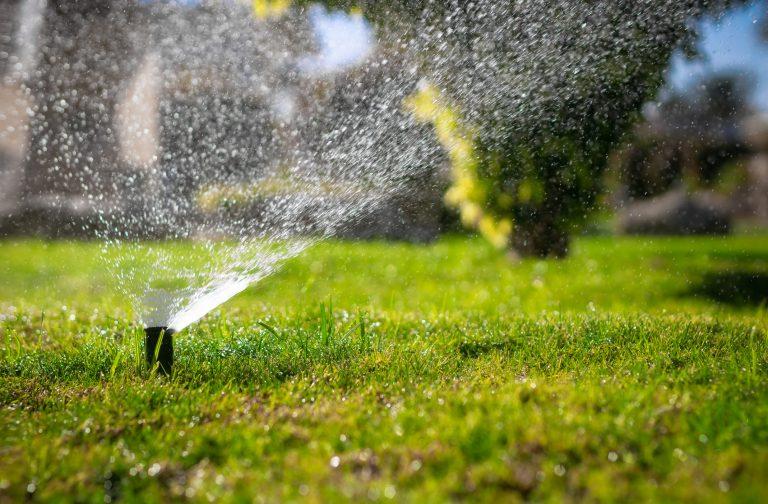
A smart controller acts as the brain of your smart irrigation installation for your home landscape. Programming it is simpler than you might think. Use these guidelines:
- Set watering by plant type – Separate lawns, shrubs, and flower beds into zones so you can adjust each independently.
- Change by season – Most controllers have a seasonal adjustment feature. Reduce watering in spring and fall, and increase it during hot months.
- Consider sunlight and shade – Shaded areas need about half the water of sunny spots. Create separate zones for them if possible.
- Use cycle and soak – On slopes, water can run off before soaking in. Break long watering sessions into shorter cycles with rest periods in between.
- Activate smart features – Use weather or soil sensors to automate schedule changes. Most controllers also allow you to pause watering after rain.
Once programmed, you can monitor everything from your phone. Many systems also send alerts when sensors detect an issue.
Weekly Checks And Seasonal Updates That Keep Systems Reliable
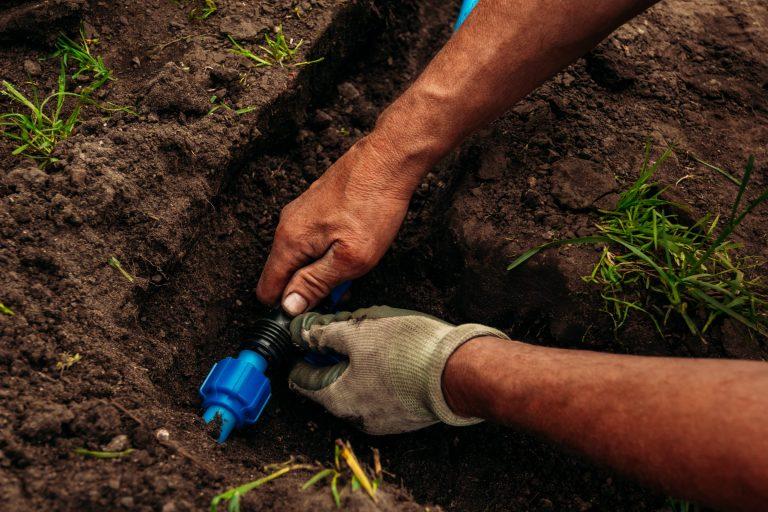
Even smart systems need maintenance to stay efficient. A weekly irrigation maintenance checklist helps prevent leaks and ensure even watering.
Your weekly routine should include:
- Checking spray heads and drip emitters for clogs or damage.
- Inspecting lines for leaks or blockages.
- Ensuring even water coverage across zones.
- Looking for puddles, dry spots, or low-pressure areas.
- Adjusting schedules for sun exposure or new plantings.
- Cleaning filters and replacing worn parts.
In the fall, reduce watering frequency and prepare for winterisation. In spring, flush lines, check sensors, and test all zones before peak season. Scheduling these tasks or partnering with a responsive service provider ensures your smart irrigation installation for your home landscape stays dependable year after year.
Fast Response Service Limits Downtime
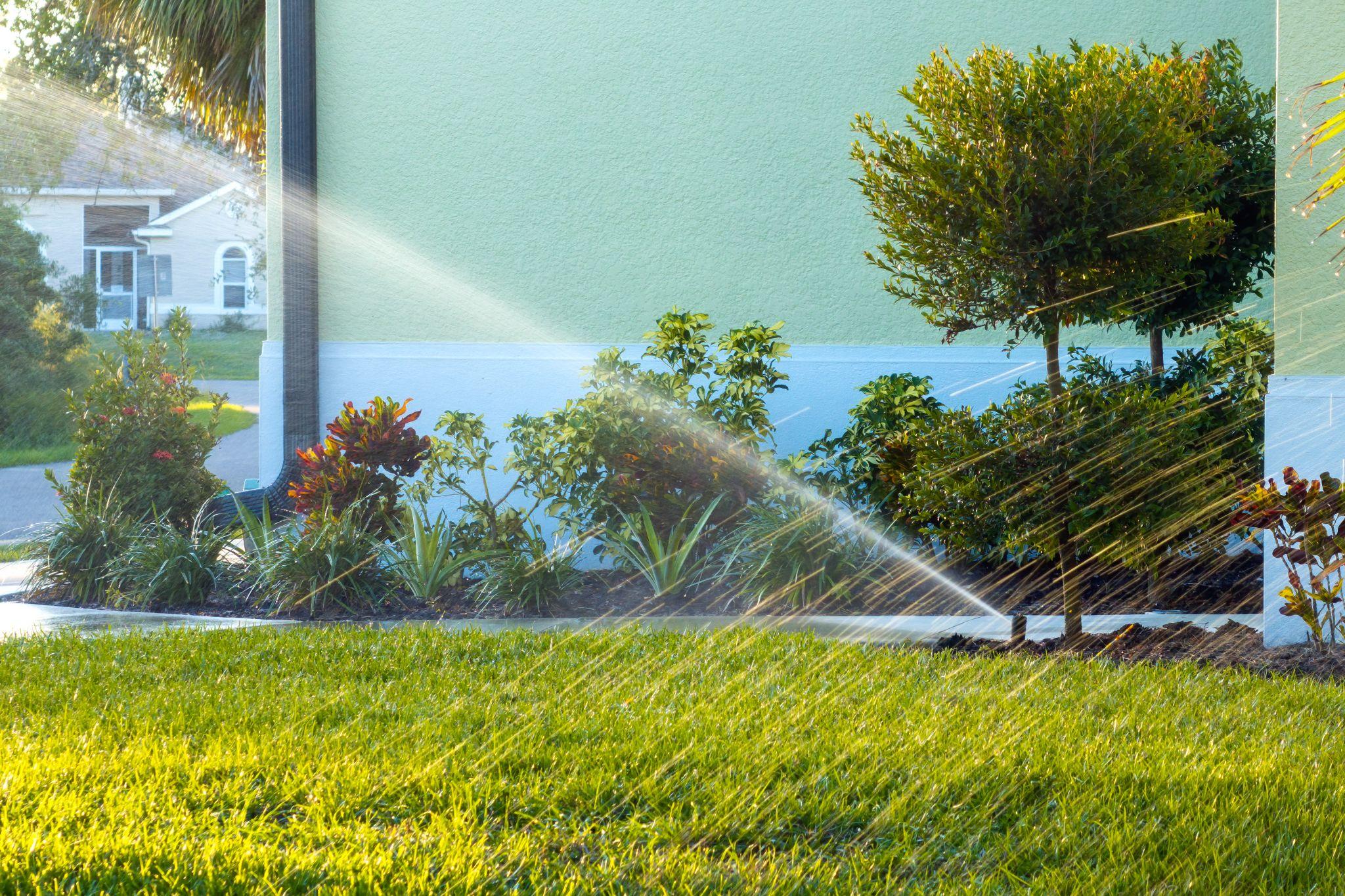
Irrigation systems are made up of valves, sensors, and underground lines. When a leak or failure happens, response time matters. Landscape Consultants prides itself on responding within 48 hours so issues are resolved quickly. Our team handles everything in-house, from troubleshooting to repairs, saving you the stress of managing multiple contractors. Quick action protects your yard and keeps your system operating efficiently.
How You Tune The System
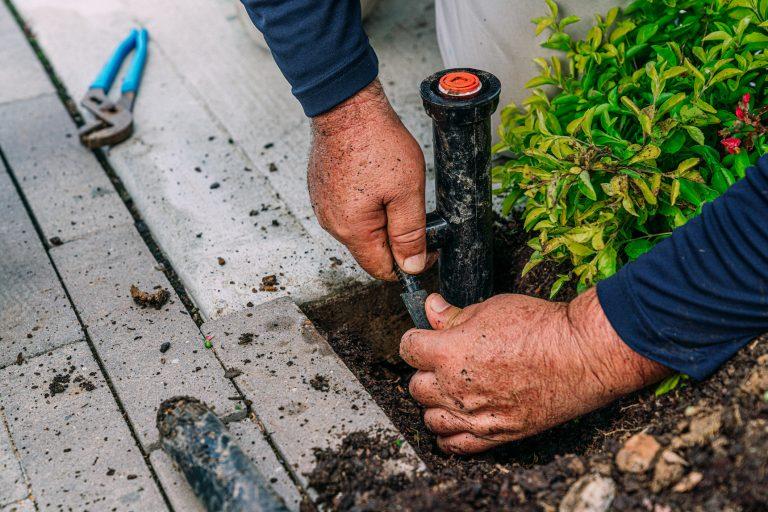
Native plants are naturally adapted to local rainfall and soil. They require less water and care than many imported varieties. Grouping native plants together lets you tune your irrigation schedule for their needs. Drip systems work best in these zones, delivering water straight to the root area while avoiding unnecessary runoff.
You can also use soil moisture sensors or weather-based controllers in these zones to reduce watering frequency. Grouping plants with similar requirements prevents over-irrigation and helps conserve water. With guidance from Landscape Consultants, you can choose native species from their garden centre and fine-tune your smart system for healthy, sustainable growth, and if you need we can help explain weather-based controllers you might be having trouble with.
Making Smart Irrigation Work For You
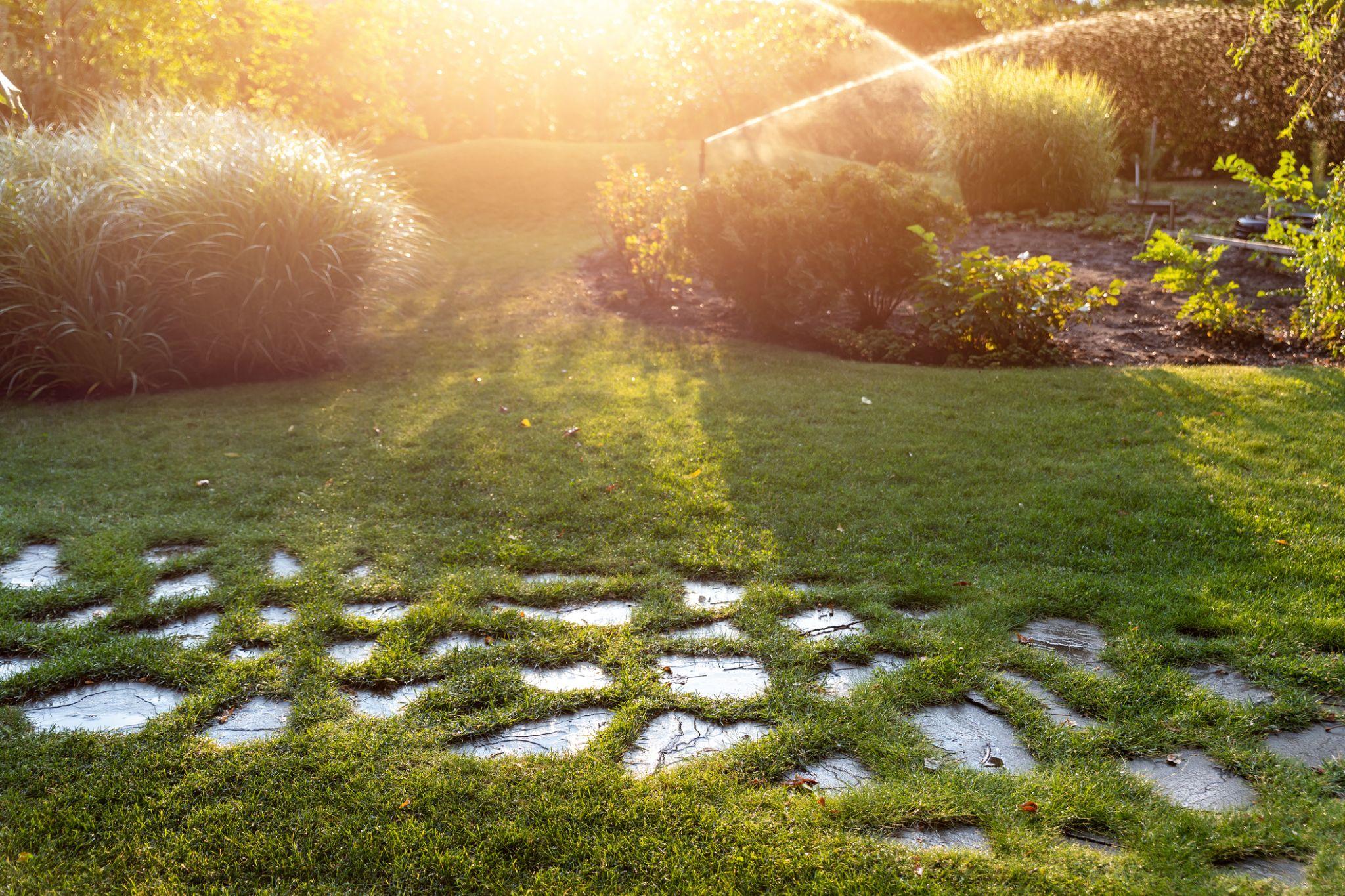
A smart irrigation installation for your home landscape is an investment in water conservation, plant health, and convenience. Weather-based controllers and soil sensors ensure you use water efficiently while maintaining a beautiful yard. Drip irrigation keeps beds thriving while sprinklers care for lawns. Understanding costs, schedules, and maintenance helps you take full control of your system. With an experienced, responsive partner, you’ll enjoy a reliable setup that fits your property and lifestyle.
Ready to make watering smarter? Request a quote today!
SUMMARY
A smart irrigation installation is the modern solution for homeowners struggling with water waste and inconsistent watering caused by outdated timers. Smart systems reduce utility bills and improve plant health by tailoring watering to local weather, soil, and plant needs.
Accessible technology, including weather-based controllers and soil moisture sensors, can reduce outdoor water use by up to 40%. An effective system often combines highly efficient drip irrigation (over 90%) for beds and shrubs with sprinklers for lawns.
Controllers are simplified with features like seasonal adjustment and “cycle and soak” to prevent runoff. The text emphasizes that even smart systems require weekly checks and seasonal maintenance, and partnering with an experienced service provider ensures ongoing efficiency.
Tags: