
Residential Landscape Design And Build Guide For Homeowners
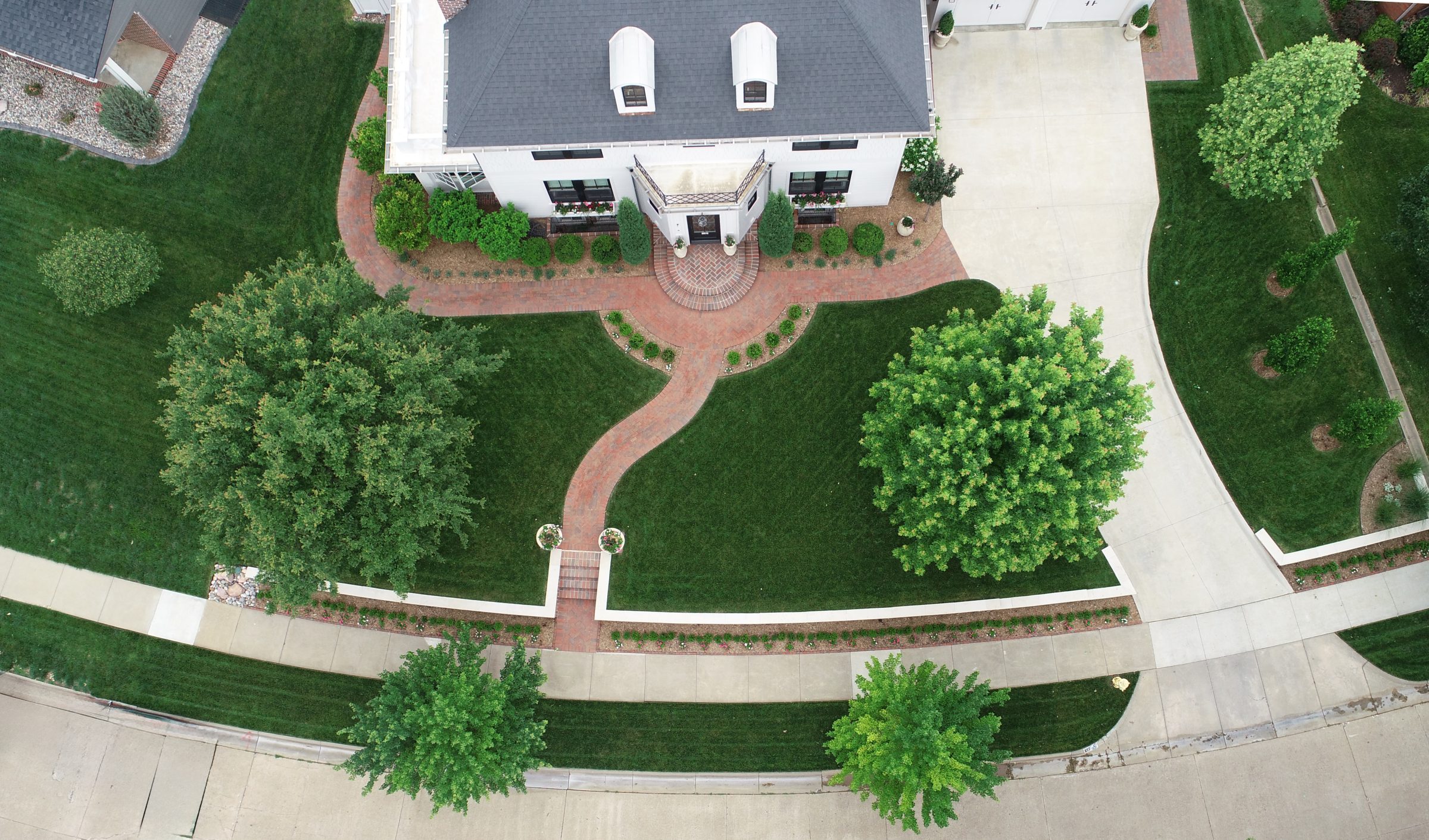
Planning a residential landscape design and build project can feel overwhelming when you’re staring at a blank yard or a tired garden. Many homeowners dive in without a clear plan and end up with overgrown plantings, mismatched hardscape or irrigation issues. Others hire multiple contractors only to discover that nobody takes full responsibility for the result. The problems range from poorly matched plant species to the frustration of waiting days for a company to return your call. As a homeowner, you deserve a garden that reflects how you live and a process that respects your time and budget. Finding and working with landscape design and build project professionals is an important step in taking control of your outdoor space.
How To Choose The Right Landscaping Partner For Your Home
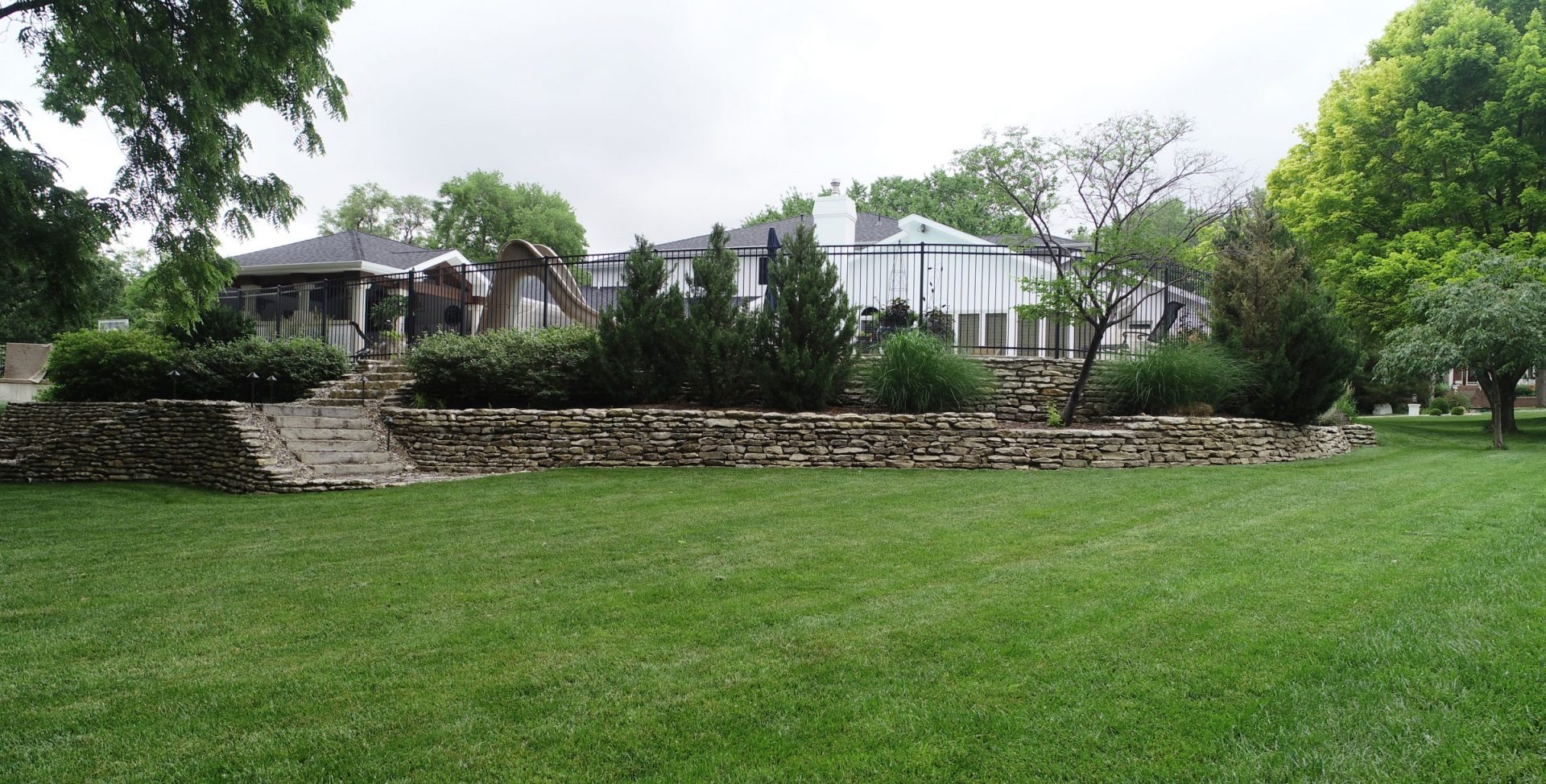
Selecting a company for your residential landscape design and build is the first major decision you’ll make. Starting with a clear understanding of your needs will help narrow the field. Begin with what you want for your yard and determining your expectations. If you need general maintenance, a basic lawn‑care service might suffice, but if you’re seeking comprehensive design, turf and irrigation installation, or complete property renovation, you should look for a full‑service provider. Here are questions and factors to consider when you’re interviewing potential partners.
Questions To Ask Before Hiring
- What services do you offer? Ask whether the company can handle the entire residential landscape design and build process from concept and 3D planning through plant selection, irrigation and construction. Experienced landscapers with comprehensive services often reduce communication gaps and save you time.
- What are your certifications and credentials? Confirm certifications, proof of insurance and references from recent clients. Insisting on proper credentials protects you from liability and assures you of professional standards.
- How do you communicate and bill? Reliable companies respond quickly and keep you informed throughout the project. Ask how often you’ll receive updates and whether billing is transparent.
How Response Time Shapes Your Experience
One of the biggest pain points homeowners face is slow communication. A company that takes days to respond to your initial inquiry will likely be slow during your project too. Landscape Consultants is known for quick response and proactive service. You hear back from our team in less than 48 hours. Rapid communication helps you make decisions quickly, schedule site visits and avoid delays in your residential landscape design and build. When interviewing other firms, ask about typical response times and how they handle revisions; this will give you insight into how they operate day to day.
Why Horticultural Education Matters
Horticultural knowledge ensures that your plants are matched to your soil, climate, and lifestyle. Get to know your site conditions, including light, soil type, and planting space. They also advise selecting plants based on your needs and desires. A company with educated horticulturists will help you make informed choices about native plants, irrigation and maintenance. You’ll know which trees to frame the house and which shrubs to plant near doors, making your residential landscape design and build attractive and functional.
Red Flags When Evaluating Potential Partners
Watch for warning signs such as vague proposals, lack of insurance, or an unwillingness to provide references. You should not feel pressured to choose the lowest estimate; more experienced landscapers and higher quality materials may cost more but are often worth it. If a company cannot explain their communication process or provide recent project photos, consider looking elsewhere. Finally, pay attention to how they discuss maintenance; a responsible partner will be upfront about the care your new landscape will need and may even offer a maintenance package.
Understanding The Landscape Design Process
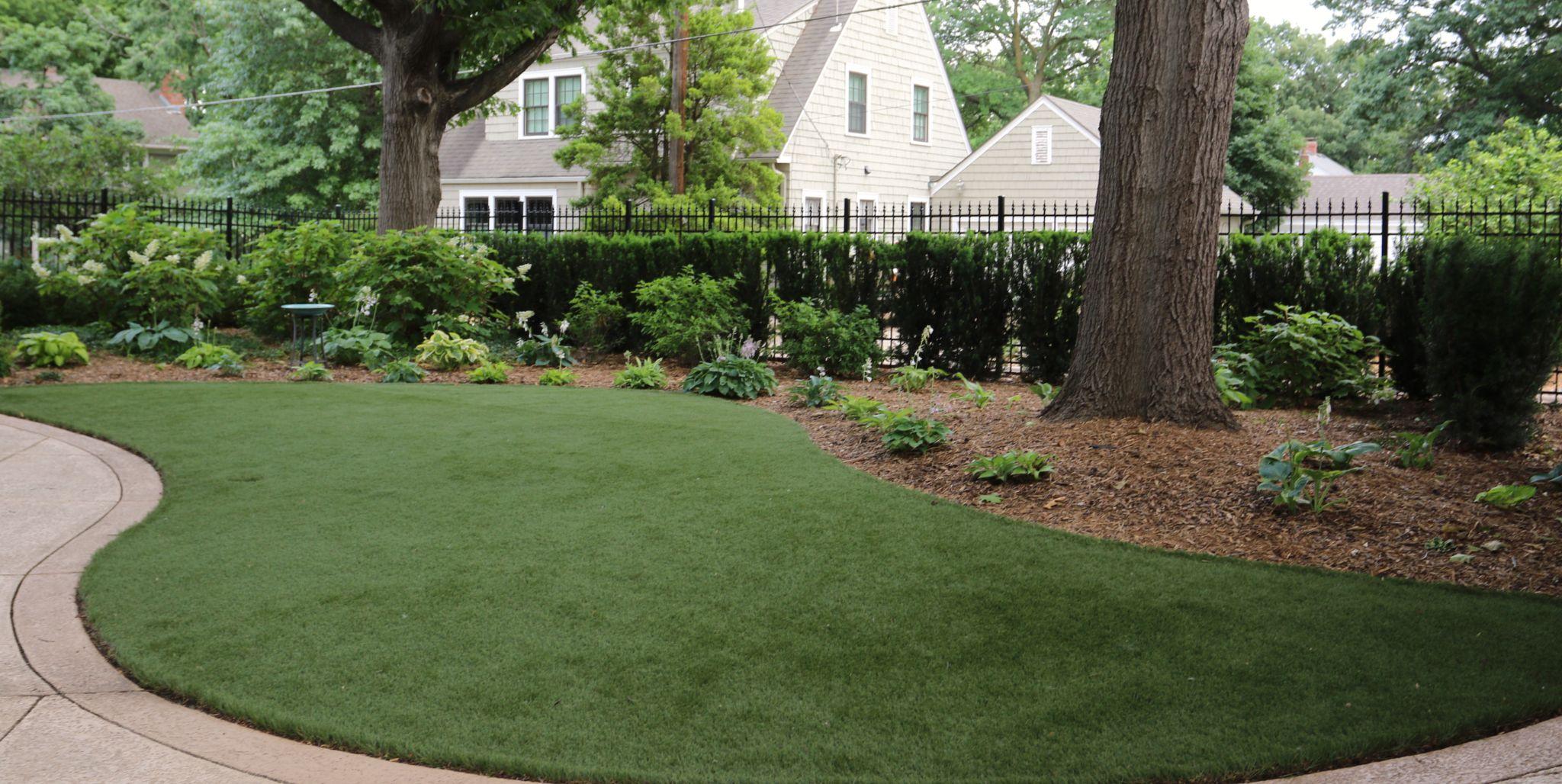
A successful residential landscape design and build starts with a well‑structured design process. The most important step is to put a master plan on paper. A comprehensive five‑step process typically includes conducting a site inventory and analysis, determining your needs, creating functional diagrams, developing conceptual design plans and drawing a final plan. Each step builds on the last to ensure that your yard meets both aesthetic and functional goals.
Site Review And Concept Development
Begin by inventorying your site. Assess soil, drainage, climate and existing vegetation. Understanding these factors helps you choose plants that thrive in your conditions and locate family activities appropriately. Pay attention to sun and shade patterns and how they create microclimates. Record utilities, property boundaries and structures on a base plan. This groundwork prevents costly mistakes like planting over utility lines or overcrowding beds.
Functional diagrams map out how you intend to use different areas. Consider the three major landscape zones public, private and service. Public areas near the street should remain simple and in harmony with the neighborhood, private areas are where your family entertains and relaxes, and service areas house tool sheds or compost bins. When you organize your residential landscape design and build around these zones, you gain clarity on where patios, play areas or gardens should go.
Collaborating On A Plan That Fits How You Live
Once you’ve analyzed the site, think about how you live. Five factors to consider for sustainable design often include: function, maintenance, environmental soundness, cost‑effectiveness and visual appeal. Discuss with your designer whether you need space for entertaining, play, pets, rainwater harvesting or composting. Evaluate how much time you want to spend mowing, pruning and watering; this will influence plant and material choices. By aligning your lifestyle with your design, you avoid overplanting and ensure each feature serves a purpose.
Using Native Plants For Lower‑Maintenance Beauty
Native plants offer multiple advantages. Native species support biodiversity, provide seasonal beauty and connect your landscape to local natural history. Native plants provide food for caterpillars that birds need to raise their young and sustain native insect populations without being seriously damaged by those insects. They also help balance habitat loss and reduce the spread of invasive species. By incorporating native species in your residential landscape design and build, you reduce the need for fertilizers and pesticides and achieve a sense of place.
Reviewing Your 3D Plan With Your Designer
After creating conceptual and functional diagrams, your designer should translate them into a 3D plan. Review each element carefully: confirm that hardscape materials complement your home’s architecture, verify plant spacing so mature sizes fit the space, and check how pathways flow between areas. Ask your designer to adjust any component that doesn’t meet your needs. Open communication throughout revisions ensures that the final residential landscape design and build matches your vision.
Keeping Communication Open Through Revisions
Revisions are a natural part of the design process. Because you’re investing in your home, it’s important to speak up when something doesn’t feel right. A dependable partner will respond promptly and clearly explain the implications of changes on cost and timeline. Landscape Consultants schedules review meetings and sends regular updates so you’re never left wondering about progress. When selecting a design partner, ask how revisions will be handled and whether additional charges will apply.
From Design To Build: How Your Project Comes To Life
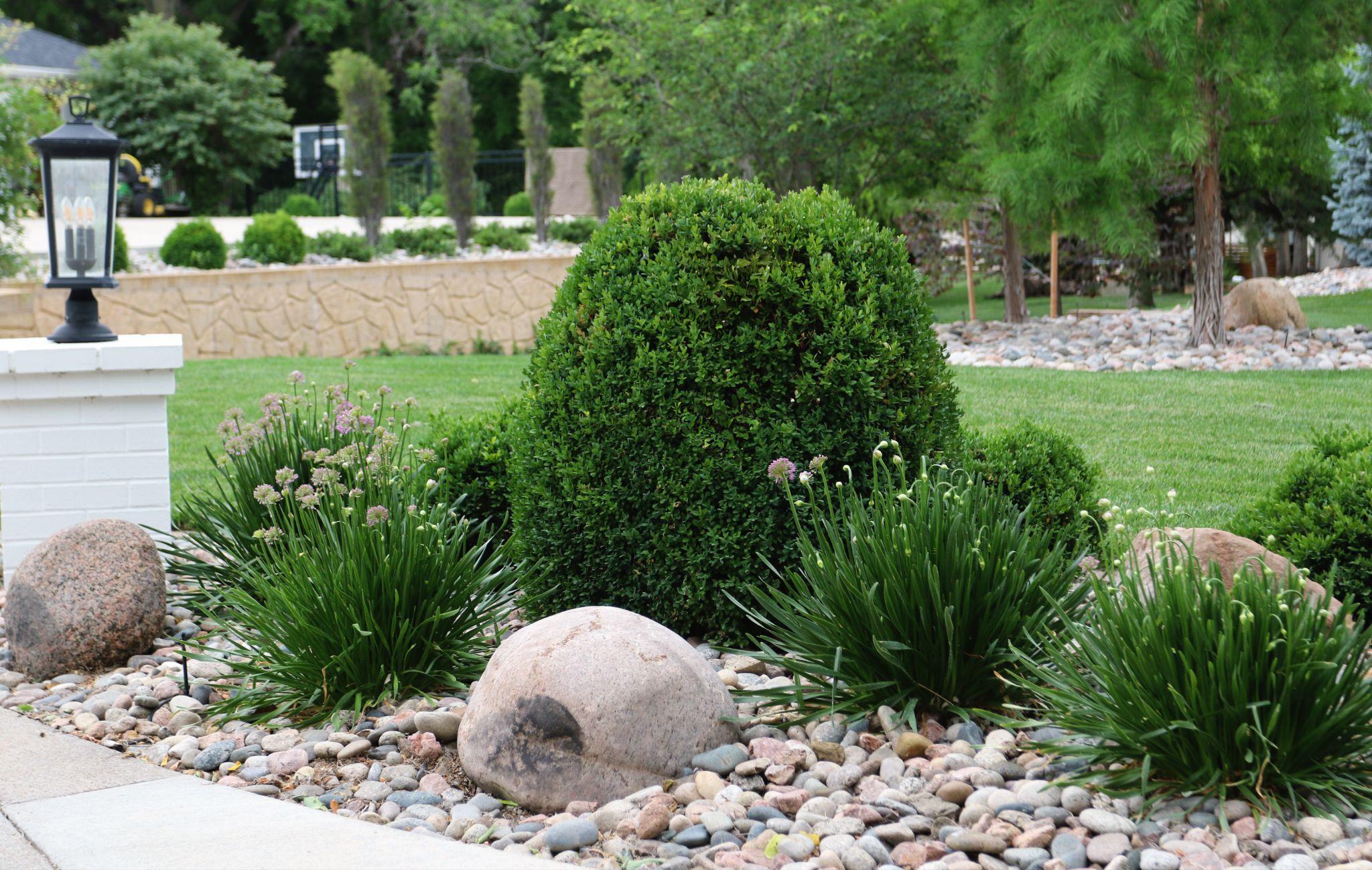
Once your design is finalized, the residential landscape design and build moves into preparation, installation and finishing phases. This section outlines what typically happens and highlights best practices to protect your investment.
Step‑By‑Step Timeline From Prep To Planting
- Site preparation: Good site preparation begins by assessing existing elements, developing a design and plan, preparing soil and installing efficient irrigation. Walk through your yard, noting features you want to keep, such as mature trees or favorite shrubs, and features you want to remove. Remove weeds to prevent competition for water, light and nutrients and separate planting areas into hydrozones so plants with similar water needs are grouped together.
- Plan and design: Develop a base plan showing property lines, utilities, existing features and topographic variations. Identify your budget, schedule and maintenance comfort level. Sketch major landscape areas public, private and service and place desired features accordingly. Use this plan to stage installation in manageable phases if necessary.
- Irrigation installation: Proper irrigation is integral to the build. Smart irrigation controllers adjust watering based on weather or soil moisture, reducing water waste by irrigating only when plants need it. Research shows that evapotranspiration (ET) based controllers can reduce irrigation by 20–43 percent compared to homeowner‑scheduled systems, while soil moisture sensor controllers achieved up to 72 percent irrigation savings.
- Construction and planting: During construction, the team builds hardscape features such as patios, walls and pathways. Soil is amended as needed, and plants are installed following the plan. Make sure the crew follows proper planting practices and places trees and shrubs at appropriate depths. Staking and mulching may be necessary depending on site conditions.
- Quality checks, safety and cleanup: Your contractor should perform regular quality checks to ensure materials and workmanship meet standards. Safety protocols include marking utilities before digging and maintaining clear work zones. Cleanup should be thorough debris removed, soil graded and surfaces swept so you can enjoy your new yard immediately.
What proactive project management looks like
A smooth build depends on clear schedules, documented milestones and responsive communication. Your contractor should provide a timeline for site prep, irrigation, hardscape and planting. They should also coordinate material deliveries, handle permitting and schedule inspections. Landscape Consultants goes a step further by assigning a dedicated project manager who updates you regularly and resolves issues quickly. Proactive management reduces delays and ensures your residential landscape design and build finishes on time and on budget.
Quality Checks, Safety And Cleanup Expectations
Quality assurance is more than a quick walk‑through. Expect your team to verify that patio stones are level, plants are healthy and irrigation zones function correctly. Safety should be an ongoing conversation: make sure utilities are marked, workers use proper protective equipment and debris is contained. A final cleanup includes removing leftover materials, smoothing soil and sweeping hard surfaces. When your contractor values quality and safety, you benefit from a lasting and trouble‑free landscape.
Design Recommendations That Make Your Yard Work For You
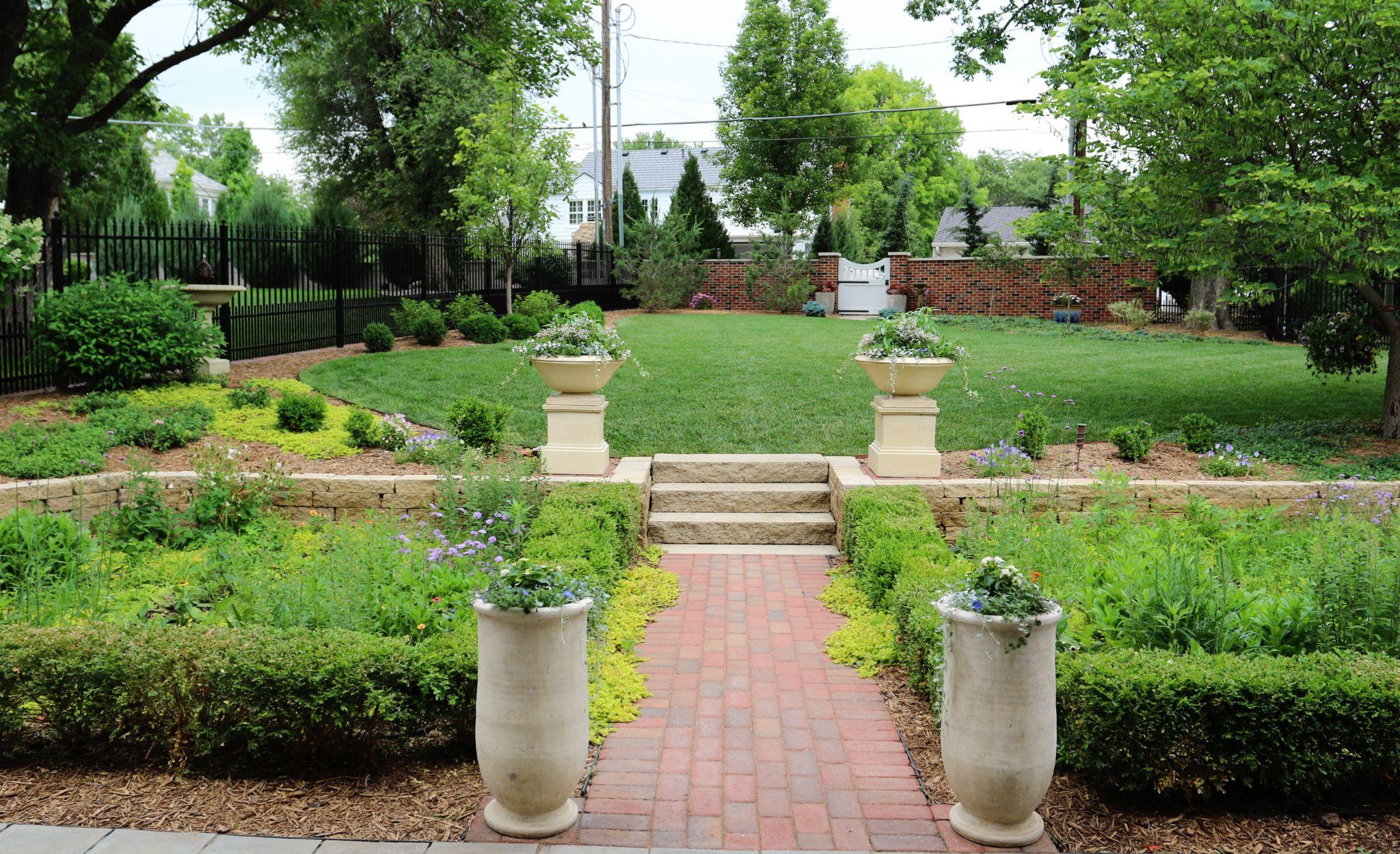
Your residential landscape design and build should serve your lifestyle as well as your sense of style. The recommendations pull from practical experience to help you create a yard that’s both beautiful and manageable.
Start With Function Before Style
Outline major landscape areas public, private and service before choosing plants. Start your design by listing outdoor features you need (patio, children’s play area, sports area, vegetable garden, tool shed). Then match these features to appropriate zones: entertaining spaces in the private area, storage in the service area, and simple plantings in the public area. Avoid overplanting and ensure each space is large enough for its intended use. When function drives the design, your yard will feel organized and comfortable.
Match Materials And Plants To Your Maintenance Comfort
Consider how much time you’re willing to invest in upkeep. Maintenance is one of five critical considerations in sustainable design. Low‑maintenance materials like composite decking, pavers that discourage weeds, and mulched planting beds reduce upkeep. Plants should be selected for their mature size and adaptability to your site; avoid species that will outgrow their space or require heavy pruning. Learn the ultimate sizes of plants and allowing for growth to avoid overplanting. Choose shrubs that fit near doors and taper to larger specimens at the corners. If you prefer minimal lawn care, consider replacing some turf with native groundcovers.
Irrigation Strategies That Protect Your Investment
Water is a precious resource. Look around for microclimates and planning irrigation zones accordingly. Smart irrigation technology uses weather or soil moisture data to determine watering needs and can reduce outdoor water use. ET controllers have delivered 20–43 percent irrigation savings, while soil moisture sensors achieved up to 72 percent savings without compromising turf quality. For best results, combine smart controllers with mulching and rainwater harvesting to further decrease evaporation.
Adding Seasonal Color, Shade, and Privacy
Create year‑round interest by incorporating plants that offer different textures, colors and bloom times. Use trees to frame the house and provide background and place smaller shrubs near doors while gradually transitioning to larger ones at the corners. To add privacy without feeling enclosed, plant border shrubs or hedges and combine them with fences or screens. For seasonal color, include perennials that bloom at different times, ornamental grasses for winter interest and native wildflowers that attract pollinators. When selecting specimens, remember the principles of balance and scale: avoid dwarfing your home with overly large plants and ensure no one area dominates the visual field.
What Happens After The Build Is Complete?
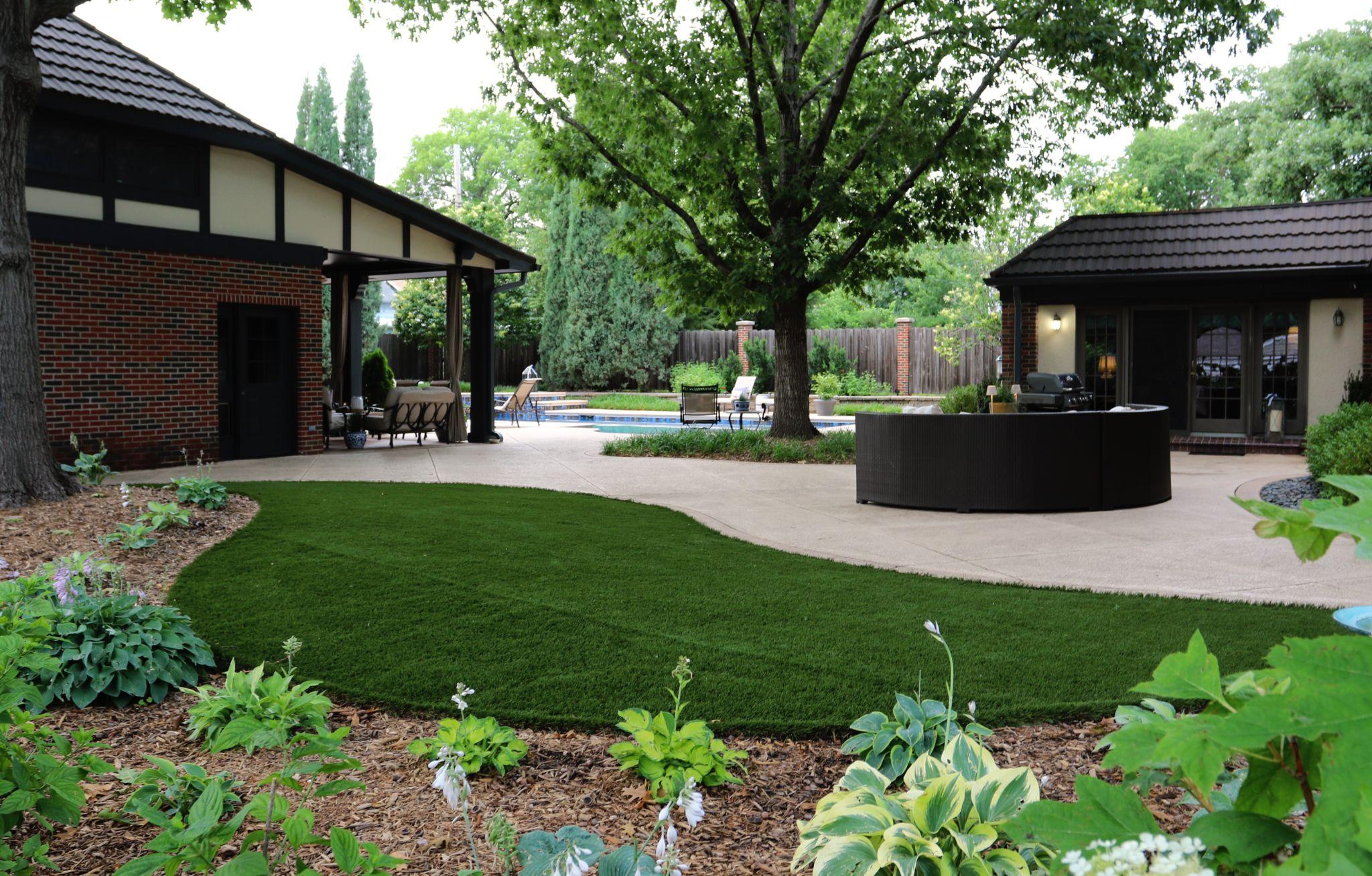
Once construction wraps up, your residential landscape design and build requires care to ensure plants establish and hardscapes remain sound. A structured maintenance plan will protect your investment and keep your garden looking its best.
Setting Up Weekly Site Visits
During the first year, schedule weekly or bi‑weekly visits to monitor plant health, soil moisture and irrigation performance. Regular check‑ins allow you to catch issues like wilted leaves, clogged emitters or shifting pavers before they become major problems. If you’ve partnered with a full‑service firm, ask if they include these visits; Landscape Consultants offers proactive follow‑ups that take the guesswork out of early maintenance.
Seasonal Pruning And Weed Control
Pruning schedules vary by plant type. Prune shade trees and summer‑flowering shrubs in late winter or early spring and to prune spring‑blooming shrubs immediately after they flower. Regular weed removal is essential to prevent competition for water and nutrients. Mulch helps suppress weeds and conserve soil moisture, reducing the time you spend weeding.
Irrigation Inspections And Adjustments
Inspect irrigation systems seasonally. Check for worn or broken parts and adjusting watering frequency based on precipitation. Smart controllers may need periodic calibration or firmware updates to remain accurate. As plants mature, adjust sprinkler heads or drip emitters to ensure even coverage and avoid watering hardscape surfaces.
Tracking Your Maintenance Checklist
Use a maintenance checklist to stay organized. Look towards prevention rather than remediation, recommending monthly tasks such as inspecting irrigation, fertilizing based on soil tests, and controlling weeds. Keep records of pruning dates, plant health observations and irrigation adjustments so you can track patterns and plan future actions.
Why Homeowners Prefer The Design‑Build Approach
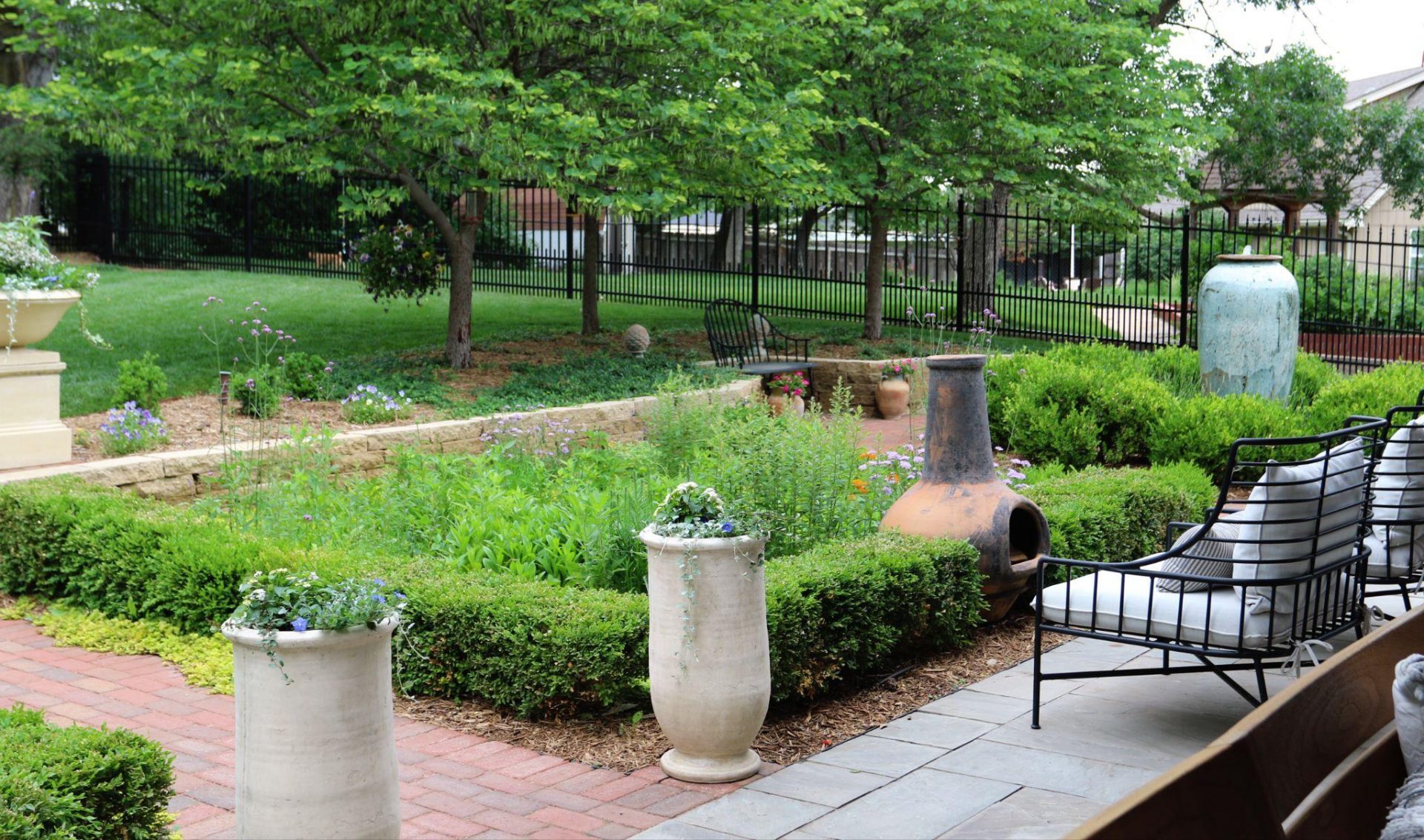
Choosing a design‑build firm for your residential landscape design and build offers advantages over hiring separate designers and contractors. Design‑build uses a single contract for both design and construction. This single point of responsibility fosters collaboration, reduces risk and streamlines communication. Design‑build projects deliver higher quality outcomes, faster and more cost‑effective results, fewer changes, and earlier knowledge of firm costs.
For homeowners, these benefits translate into a smoother experience. You’ll have one contact who understands your vision, budget and timeline. This unified approach accelerates your project and minimises delays caused by miscommunication. It also reduces the likelihood of unexpected costs because the design and construction teams work together to find creative solutions early on. Landscape Consultants embodies these principles: their knowledgeable and experienced team handles every step of the residential landscape design and build, ensuring consistency and accountability. You also gain access to horticultural experts who guide plant selection and native species, along with quick response times that keep your project moving forward.
One Point Of Contact, Fewer Delays
By working with a single firm, you avoid the common issue of designers blaming contractors for delays and vice versa. When one team manages both design and construction, scheduling is coordinated, materials are ordered at the right time and changes are communicated instantly. This streamlining reduces delays and stress.
Clear 3D Visuals Before Construction
Design‑build firms typically provide detailed renderings and 3D models before construction begins. Having a clear visual of your residential landscape design and build allows you to make confident decisions and reduces change orders during installation. You can experiment with plant combinations, hardscape materials and lighting effects without incurring additional design fees.
Educated Horticulture Staff Guiding Decisions
Design‑build companies with horticultural expertise ensure that plants and irrigation systems are tailored to your site. Place the right plant in the right place and using site‑appropriate materials. A knowledgeable staff will suggest native species, smart irrigation technology and appropriate maintenance practices, saving you money and time in the long run.
Proactive Service For Long‑Term Results
A design‑build firm often provides maintenance or long‑term service plans. This proactive approach ensures your landscape remains healthy and beautiful. Weekly site visits, seasonal pruning, irrigation adjustments and regular communication all contribute to a garden that evolves gracefully over time. Because the same team designed and built your landscape, they understand the intent behind each element and can maintain it accordingly.
Wrapping Up Your Landscape Journey
Embarking on a residential landscape design and build project is a significant undertaking, but it doesn’t have to be confusing or frustrating. By starting with a clear plan, choosing a knowledgeable partner, understanding the design process and embracing sustainable practices, you can create an outdoor space that enhances your home and improves your quality of life. Native plants, smart irrigation and careful site preparation all contribute to a landscape that is as resilient as it is beautiful. Most importantly, working with a single, responsive team ensures that every step from initial consultation to post‑construction maintenance is handled professionally and promptly. Ready to turn your ideas into reality? Request a quote to speak with our team today.
Summary
A successful residential landscape design and build blends thoughtful planning with practical installation. Start by defining your needs and selecting a partner who offers comprehensive services and rapid communication. Use a structured design process site inventory, needs assessment, functional diagrams, concepts and final plan to ensure your yard fits your lifestyle. Incorporate native plants for biodiversity and low maintenance and use smart irrigation technology to conserve water. During construction, focus on proper site preparation, safe installation and quality checks. After installation, follow a maintenance checklist, schedule regular visits and adjust irrigation as plants mature. Finally, choose a design‑build approach for a single point of responsibility and smoother project delivery. By following these guidelines, homeowners in Ontario can enjoy a beautiful, functional, and sustainable yard that lasts for years.
Tags: