
Landscape Maintenance, Lawn Care, And Weed Control
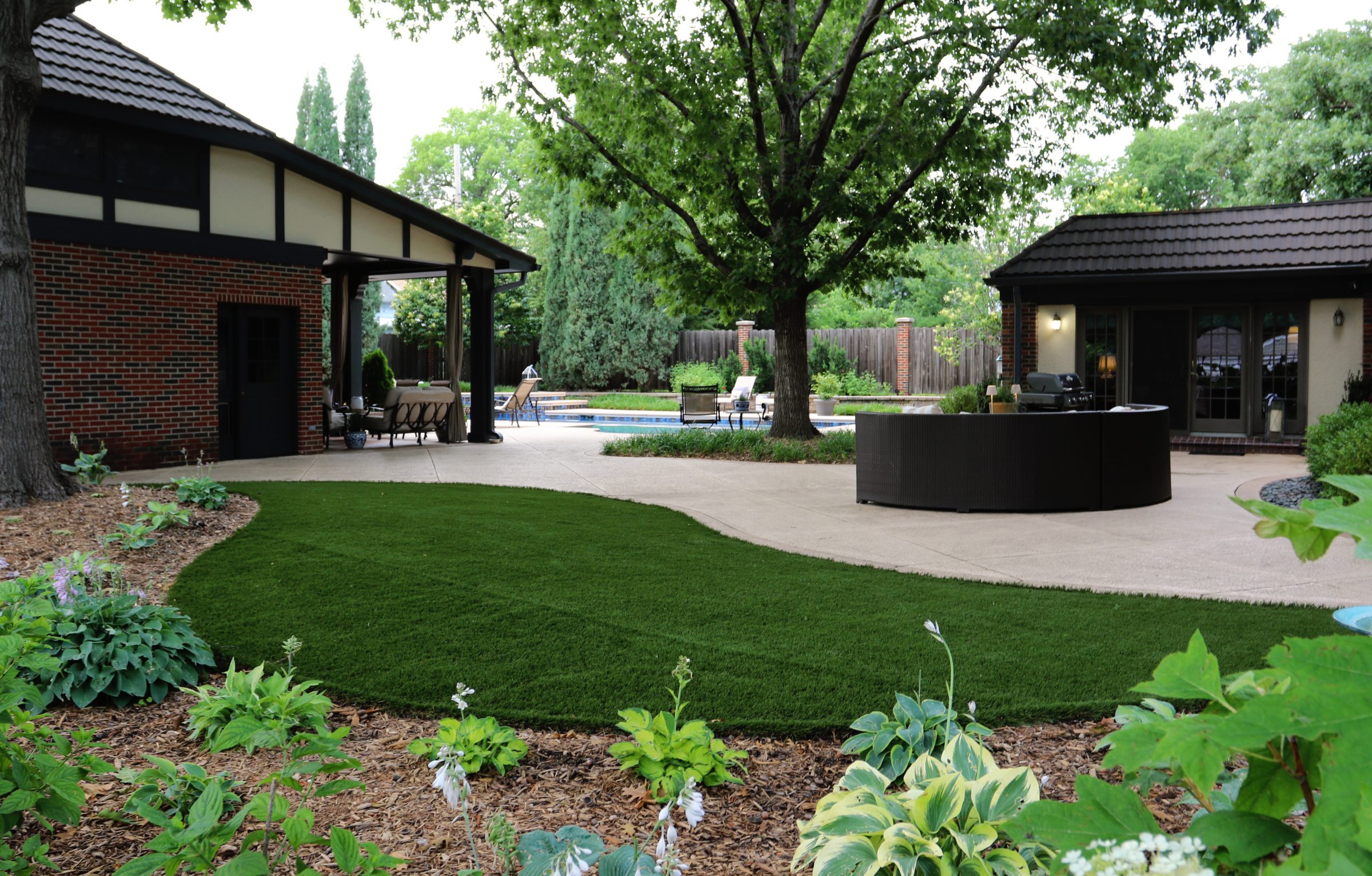
You want service you can rely on, and advice that feels practical for your home. You also want clarity about what goes into landscape maintenance lawn care and weed control, so you can make good decisions for your yard.
Keeping your property in good shape can feel like a constant cycle of mowing, edging, raking, trimming, and pulling, and it’s easy to feel unsure about the right steps for reliable landscape maintenance lawn care and weed control. Your yard is a living system that changes with the seasons, and missing key timing can lead to unnecessary work or preventable problems. This guide gives you a clear plan to stay ahead of issues, care for your plants with confidence, and understand the basics of soil health. Our residential landscape design and build guide for homeowners provides added context by helping you see how each part of your outdoor space works together. You also learn what dependable support looks like: a single landscape partner with real experience, quick response times, and a garden centre offering native plants you will not find elsewhere, all backed by a team committed to going above and beyond.
The Lawn Care And Weed Control Schedule That Simplifies Your Year
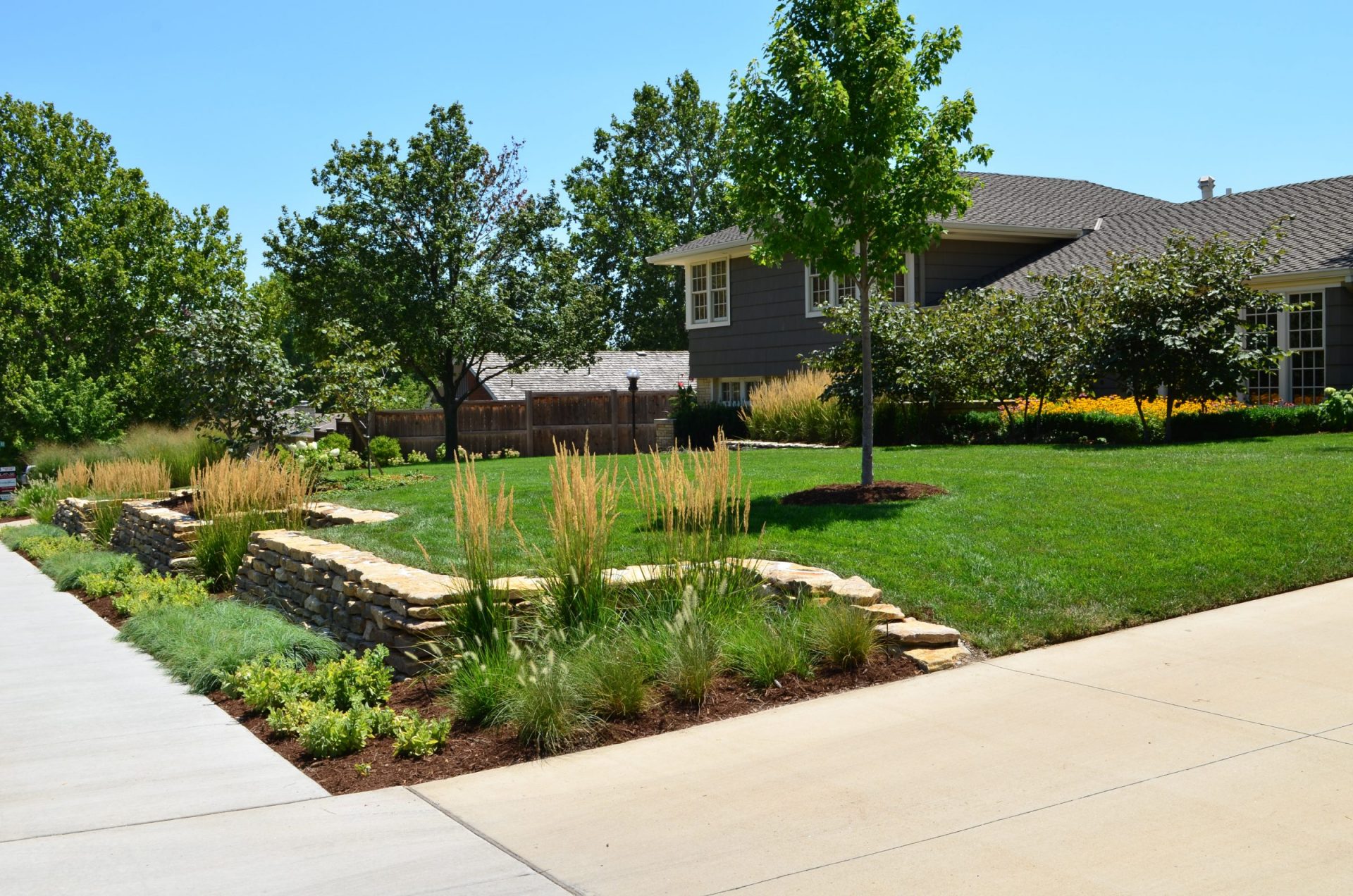
A good lawn care and weed control schedule for homeowners helps you stay organized month after month. When you know what to expect each season, your yard stays consistent and healthy. With a clear routine, you avoid last-minute stress, prevent small issues from growing, and make better decisions about watering, mowing, and seasonal tasks. This structure also helps you plan ahead for fertilizing, overseeding, and weed prevention, giving your lawn the steady care it needs to thrive.
Seasonal Breakdown
Spring
- Rake leftover debris from winter.
- Apply early weed control products.
- Over-seed thin areas.
- Check that irrigation zones are functioning.
Summer
- Mow once or twice each week depending on growth.
- Water deeply but not daily.
- Continue with landscape maintenance lawn care and weed control treatments.
- Watch for pests and drought stress.
Fall
- Add seed to weak sections.
- Apply a fall fertilizer to strengthen roots.
- Remove leaves before they become soggy.
- Reduce mowing frequency.
Winter
- Mark areas you do not want trampled during snow removal.
- Plan updates for next spring.
Repeating this routine keeps your grass strong enough to handle changes in weather, moisture, and foot traffic.
Weekly Site Visits: What Gets Checked And Why It Matters To You
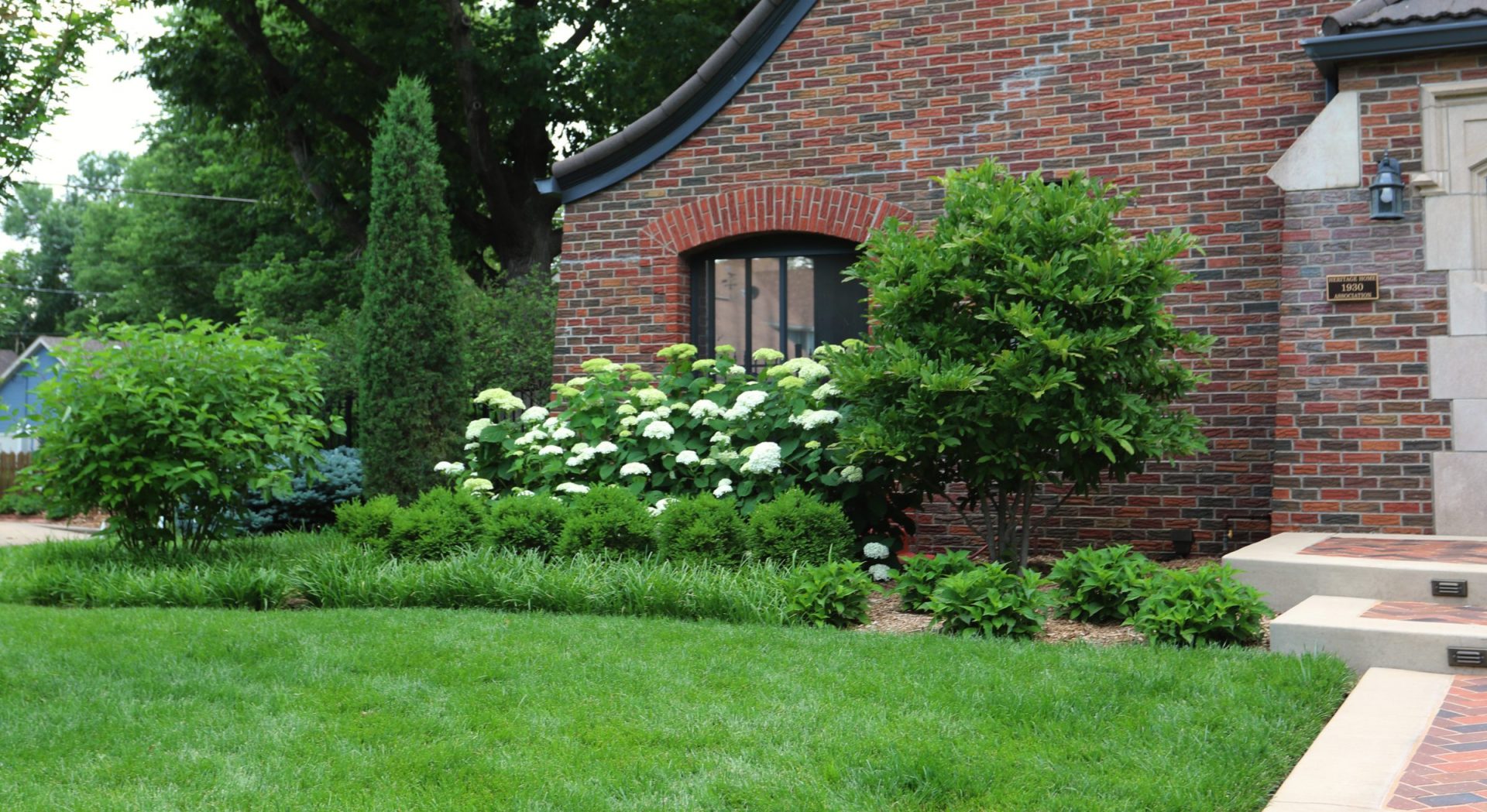
You may wonder how to set up regular landscape visits. The short answer is consistency. Regular check-ins help you stay ahead of problems without losing control of your schedule. With a clear routine, you catch small issues early, keep your lawn and garden looking tidy, and ensure every part of your outdoor space gets the attention it needs.
A professional site visit usually includes:
- Inspection of plant health
- Monitoring soil moisture
- Spot treatments for weeds
- Notes on seasonal needs
- Quick fixes for anything that looks concerning
If you are doing these visits yourself, check irrigation first, then mowing height, then visible weeds. Clear steps make landscape maintenance lawn care and weed control easier to manage.
Regular reviews protect your investment and help catch issues early. And when you rely on a dependable team, you get updates within 48 hours, so you always know where things stand.
Pruning Basics By Plant Type: How You Keep Shapes And Blooms
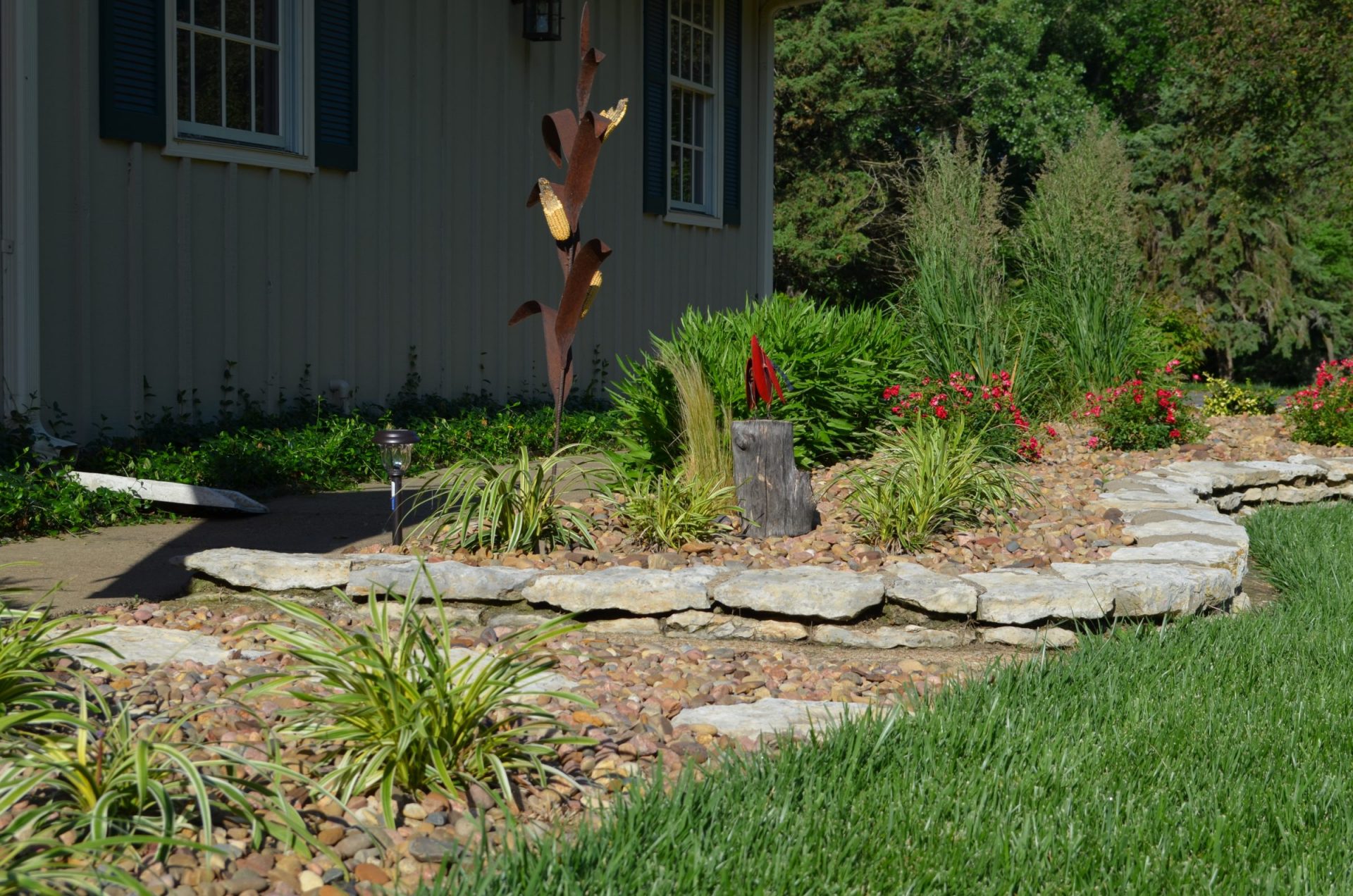
A pruning schedule for shrubs and trees comes down to timing and the natural habit of each plant. Paying attention to when each species grows, blooms, and sets buds helps you make careful cuts that support long-term health. The right routine keeps your plants balanced, encourages fresh growth, and prevents issues from spreading unnoticed.
Shrubs
- Spring-flowering shrubs (e.g., lilac, forsythia, weigela, spirea): prune right after flowering.
- Summer-flowering shrubs (hydrangea paniculata, crape myrtle): prune in late winter or early spring.
- Evergreens: prune lightly in early summer.
Trees
- Maple, oak, and ash: prune in late winter before sap rises.
- Flowering trees: prune after bloom if needed.
- Fruit trees: prune in late winter to early spring depending on species.
Correct pruning supports airflow, reduces disease, and maintains a shape that feels tidy rather than overworked. When you follow a simple routine, your landscape maintenance lawn care and weed control plan becomes much more effective.
Soil Testing And Amendments: How You Set Your Lawn Up For Success
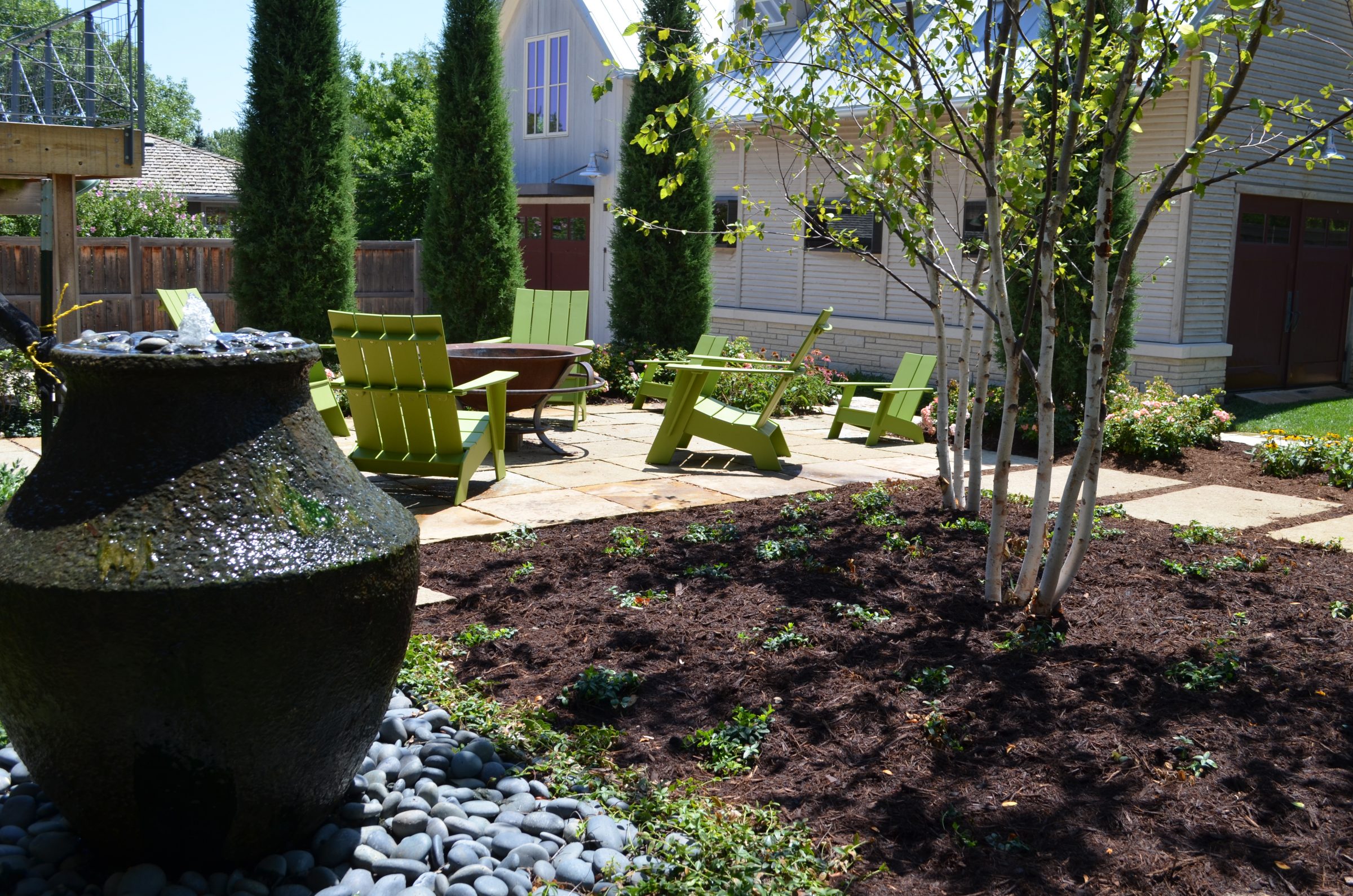
Healthy lawns start with the soil. A soil testing for lawns beginner guide helps you understand the basics without getting overwhelmed. Testing shows you what your lawn is missing, how balanced the nutrients are, and whether the pH needs adjustment. With this information, you can make accurate changes that support strong roots, steady growth, and long-term lawn health.
What To Check
- pH levels
- Soil compaction
- Nutrient availability
- Organic matter content
Once you have your results, you can choose the right amendments:
- Sulphur for alkaline soil
- Lime for acidic soil (rare issue in Kansas)
- Compost for organic matter
- Aeration for compaction
This step strengthens your grass before weeds try to move in, making landscape maintenance lawn care and weed control more effective in the long term.
Mulching Your Beds: How Much, How Often, And Why It Helps
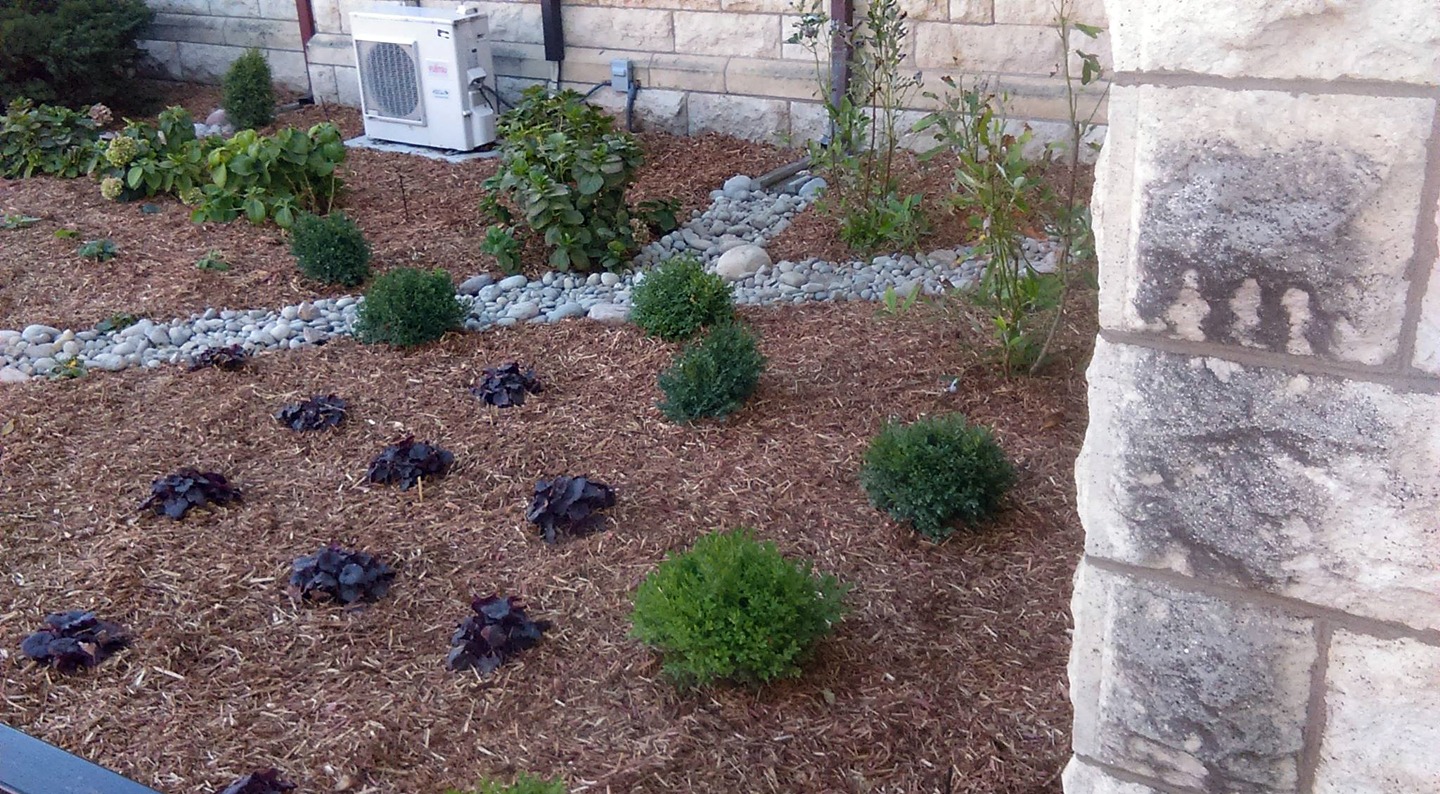
A good mulching schedule for residential landscapes keeps garden beds tidy and supports moisture control. Mulch also discourages weeds, protects roots from temperature changes, and breaks down slowly to enrich the soil.
Tips For Homeowners
- Use 2–3 inches of mulch.
- Keep mulch away from trunks and stems.
- Refresh annually or twice a year depending on material.
- Choose natural mulches for long-term soil improvement.
When mulch is placed correctly, your beds stay healthy and complement your overall landscape maintenance lawn care and weed control routine.
Tree Selection From A Specialty Tree Farm: What To Ask And What To Check
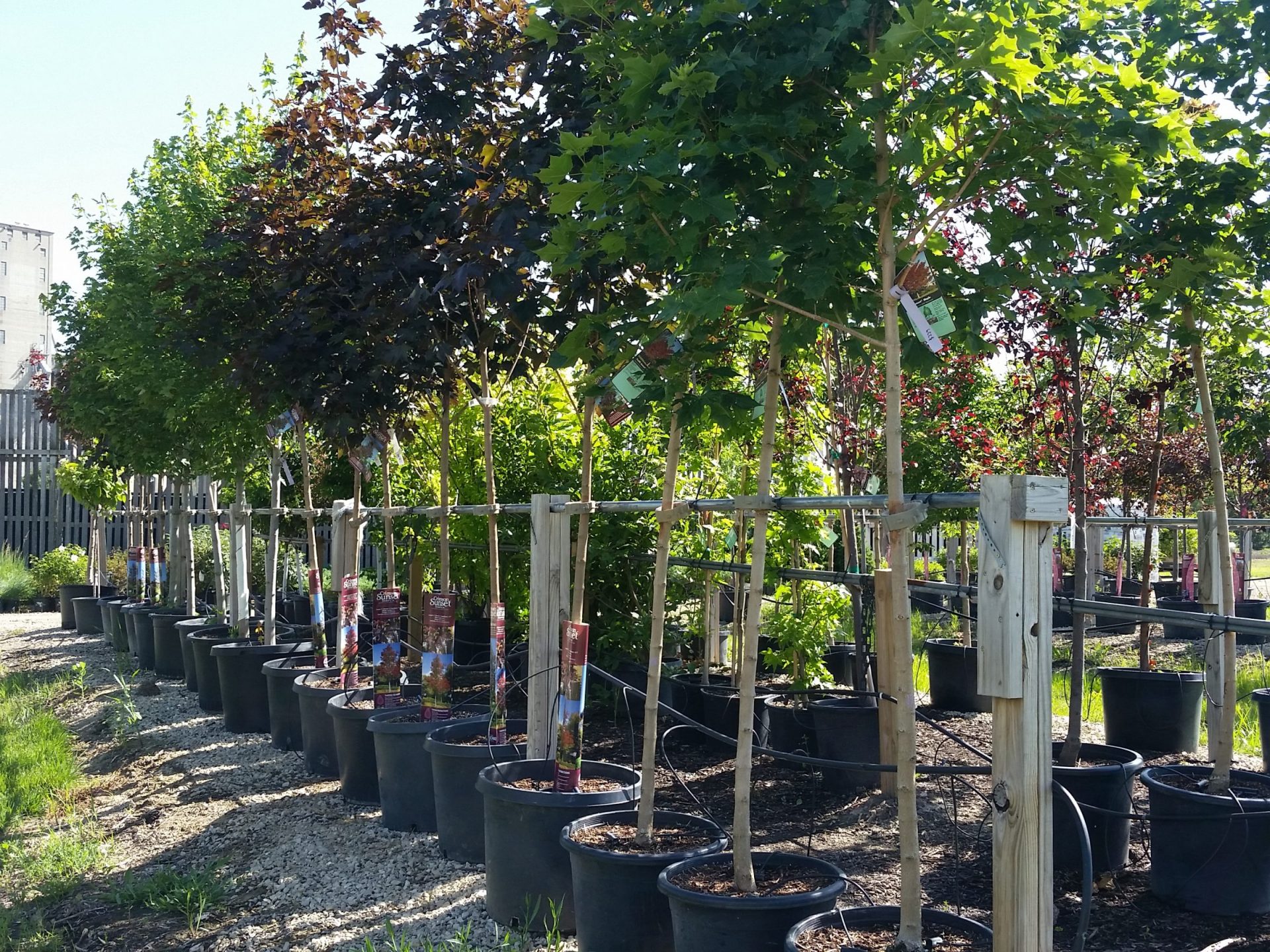
Choosing the right tree improves shade, privacy, property value, and the look of your yard. Many homeowners benefit from garden center tree selection advice for yards, especially when choosing native species that thrive with less intervention. The right guidance helps you select trees that suit your soil, light conditions, and long-term maintenance goals, ensuring your landscape grows stronger year after year.
What To Ask
- How large will this tree be at full maturity?
- How much water does it need?
- Is it suitable for your soil type?
- Does it drop fruit or seed pods?
- How does it handle local weather?
What To Look For
- Straight trunk
- Even branch spacing
- Strong root flare
- No signs of pests or disease
A garden centre with knowledgeable staff, especially one that offers native plants you will not find in other shops, helps you avoid guesswork. The right tree reduces long-term strain on your landscape maintenance lawn care and weed control routine.
Proactive Maintenance Vs Waiting For A Problem: Tips for homeowners to DIY
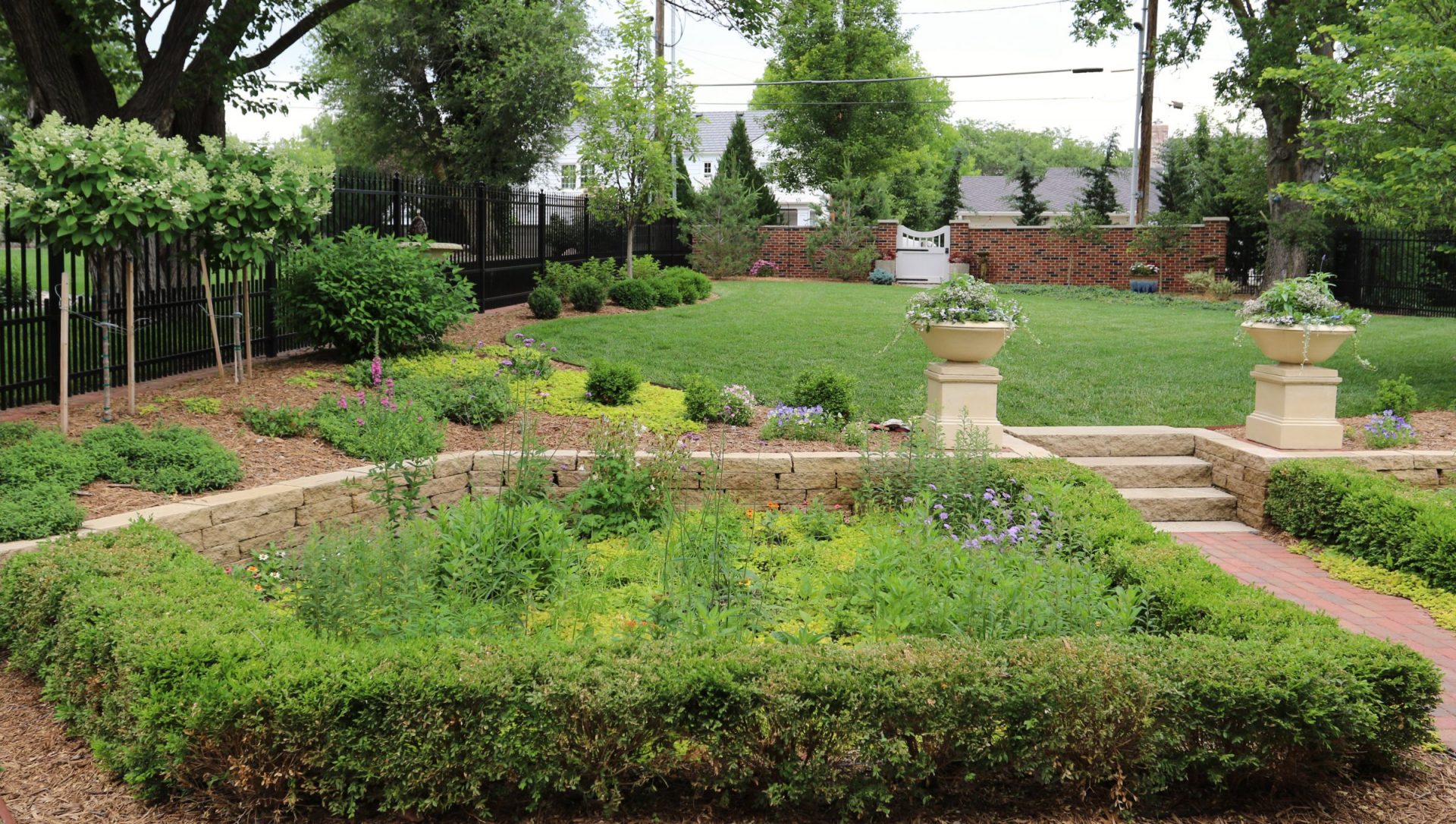
Reactive care always costs more time and energy. Proactive routines protect your property by catching early signs of stress before they spread. This approach keeps your landscape healthier, reduces surprise issues, and gives you more control over your outdoor space. Small, consistent checks often prevent larger repairs and help your yard stay stable through changing seasons.
Examples of proactive steps:
- Regular weed checks
- Seasonal fertilizing
- Consistent pruning
- Scheduled soil testing
- Bed edging and weekly mow reviews
- Early spotting of pests
Your home benefits when you stay ahead of trouble. It also means fewer disruptions to your regular landscape maintenance lawn care and weed control plan.
When You Call For Help: Quick Response Time And Clear Next Steps
Homeowners often worry about response times. When something looks off, you want updates fast. That is why a dependable partner with quick replies makes a real difference. Clear communication, timely follow-up, and straightforward next steps help you feel confident that your landscape is being cared for before small issues turn into larger concerns.
A strong support process includes:
- You contact the team.
- You hear back within 48 hours.
- You receive a clear explanation of what is happening.
- You get options so you can decide what works for your home.
This approach builds trust and helps you stay in control of your landscape maintenance lawn care and weed control routine all year.
Keeping Your Landscape Healthy All Year

When you follow simple, consistent routines, your outdoor space becomes easier to manage. You get clarity and confidence, and your plants stay healthier through every season. Reliable support helps you apply these steps without stress, and a knowledgeable team ensures your choices work for your home, not just in theory, but in real conditions.
If you want guidance on landscape maintenance lawn care and weed control. Request a quote, because you deserve a yard that stays healthy, organized, and easy to manage year-round.
Summary
This guide covers the steps that help you stay ahead of seasonal tasks using a clear landscape maintenance lawn care and weed control routine. You learn how to build a lawn care and weed control schedule for homeowners, follow a pruning schedule for shrubs and trees, run simple soil checks using a soil testing for lawns beginner guide, understand how to set up regular landscape visits, plan a mulching schedule for residential landscapes, and use garden center tree selection advice for yards to choose healthy trees.
Tags: