
Benefits Of Native Plants In Landscape Construction
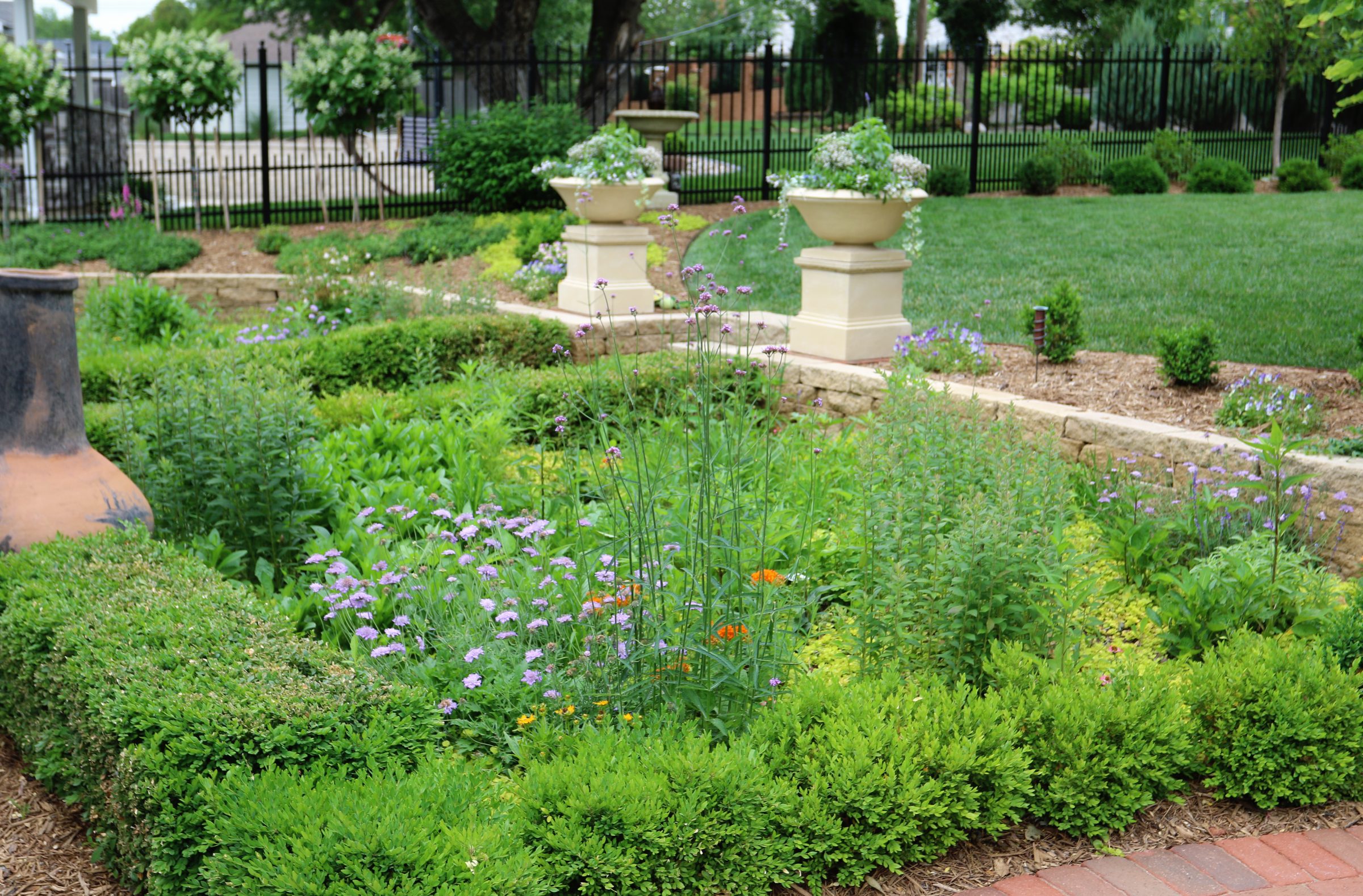
You want a yard that’s reliable, comfortable, and easier to care for. You also want outdoor spaces that look natural in your neighbourhood and continue to grow well year after year. When you start exploring the benefits of native plants in landscape construction, you begin to see how these species offer steady performance, reduced maintenance, and long-term value. Our residential landscape design and build guide for homeowners gives you a clear path forward, helping you understand how native plants support your yard’s health over time. Many homeowners are also searching for ways to simplify weekly care while improving the health of their soil and local ecosystems. Native plants help you meet those goals without added hassle. This guide helps you choose a native-rich approach that suits your home, your tastes, and your schedule.
Setting The Stage For A Better Landscape
Homeowners often struggle with planting choices that demand too much care or fail to survive seasonal shifts. Even well-designed yards can feel discouraging when plants decline, soil dries out, or pests move in.This leads to wasted time and unnecessary costs.
When you explore the benefits of native plants in landscape construction, you gain access to plants built for your climate, your soil, and your conditions. These species support predictable growth, sturdier structure, and long-term ease of care. A knowledgeable team that responds quickly and sees the gaps in your community’s landscape care helps you select the right combination of native plants so your yard feels dependable, attractive, and tailored to your needs.
Why Native Plants Pay You Back In Durability And Care

The benefits of native plants in landscape construction begin with reliability. These plants evolved in your region, which means they can handle temperature swings, soil variation, and typical rainfall patterns. You get plants that settle in quickly and grow well with less fuss.
Here’s what you notice right away:
- Stronger root systems that anchor the soil
- Lower risk of stress during seasonal changes
- Better resistance to common local pests
- More predictable growth and fewer surprises
The landscaping with native plants benefits approach also offers fewer long-term replacements. Plants that already “fit” the climate are less likely to decline after a harsh winter or an unusually dry month.
Homeowners also appreciate that native options support local biodiversity. Birds, pollinators, and beneficial insects rely on these plants, creating a yard that feels more balanced throughout the year.
Native Plant Palette Ideas: How You Choose A Look You Like
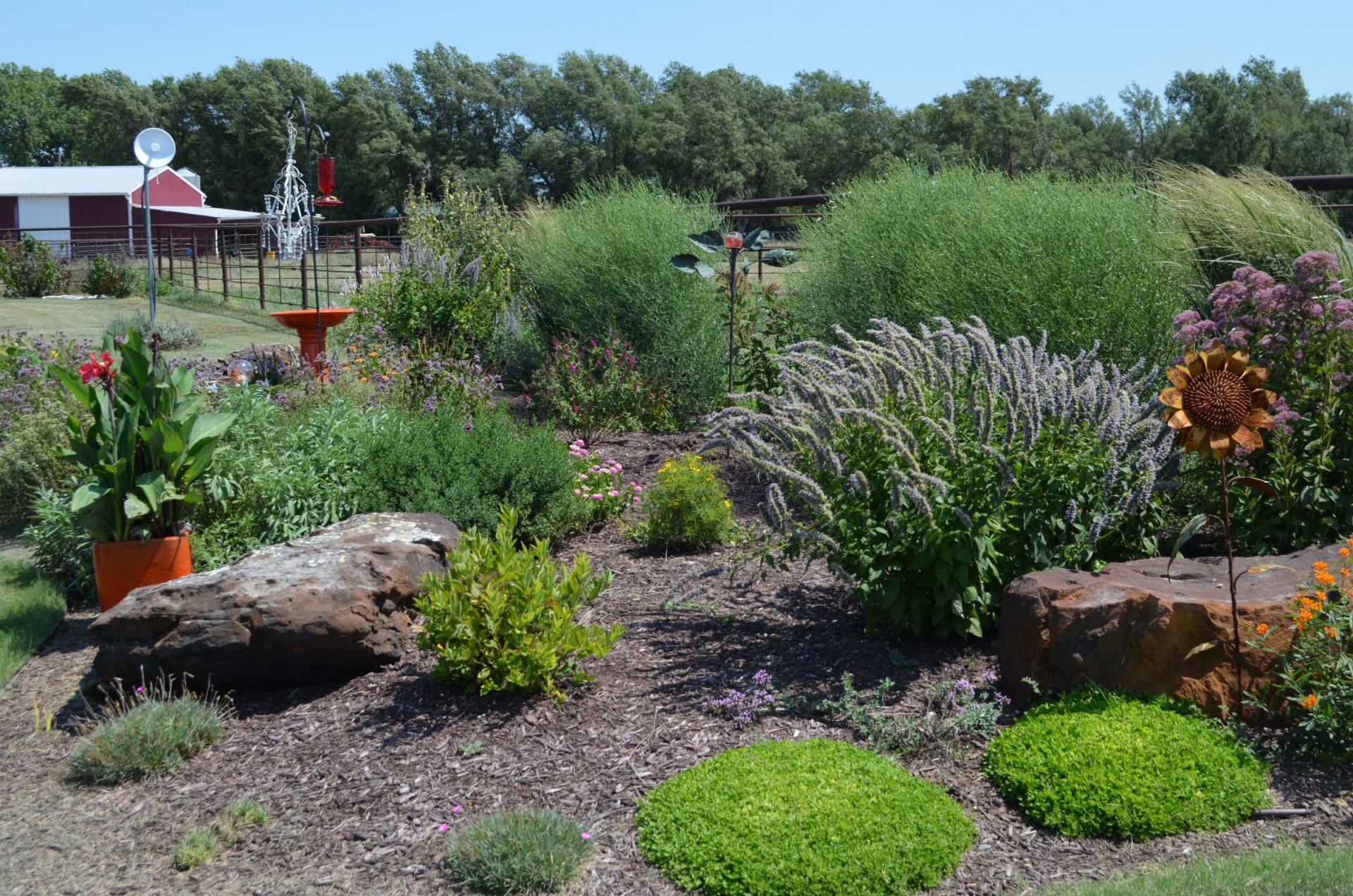
You want a yard that feels personal, functional, and welcoming. That starts with the right combinations. When you explore native plant palette ideas for backyard layouts, you discover that native species offer far more variety than most homeowners expect.
You can create:
A Soft, Natural Garden
- Meadow-style grasses
- Soft flowering perennials
- Low woody shrubs for structure
A Clean, Modern Yard
- Upright grasses with defined shapes
- Shrubs that hold form through winter
- Understated perennials for steady colour
A Family-Friendly Relaxed Space
- Plants that stay compact
- Pollinator-friendly flower groupings
- Durable shrubs along edges and walkways
One valuable part of the benefits of native plants in landscape construction is the ability to match nearly any design style. Native species can look contemporary, traditional, rustic, or minimalist based on how you layer them.
You also gain performance benefits. Many homeowners use native plants for low maintenance yards because the plants thrive without constant trimming or watering.
With guidance, you get a palette that fits your taste while staying easy to care for year after year.
Privacy And Structure: Native Shrubs And Small Trees That Work
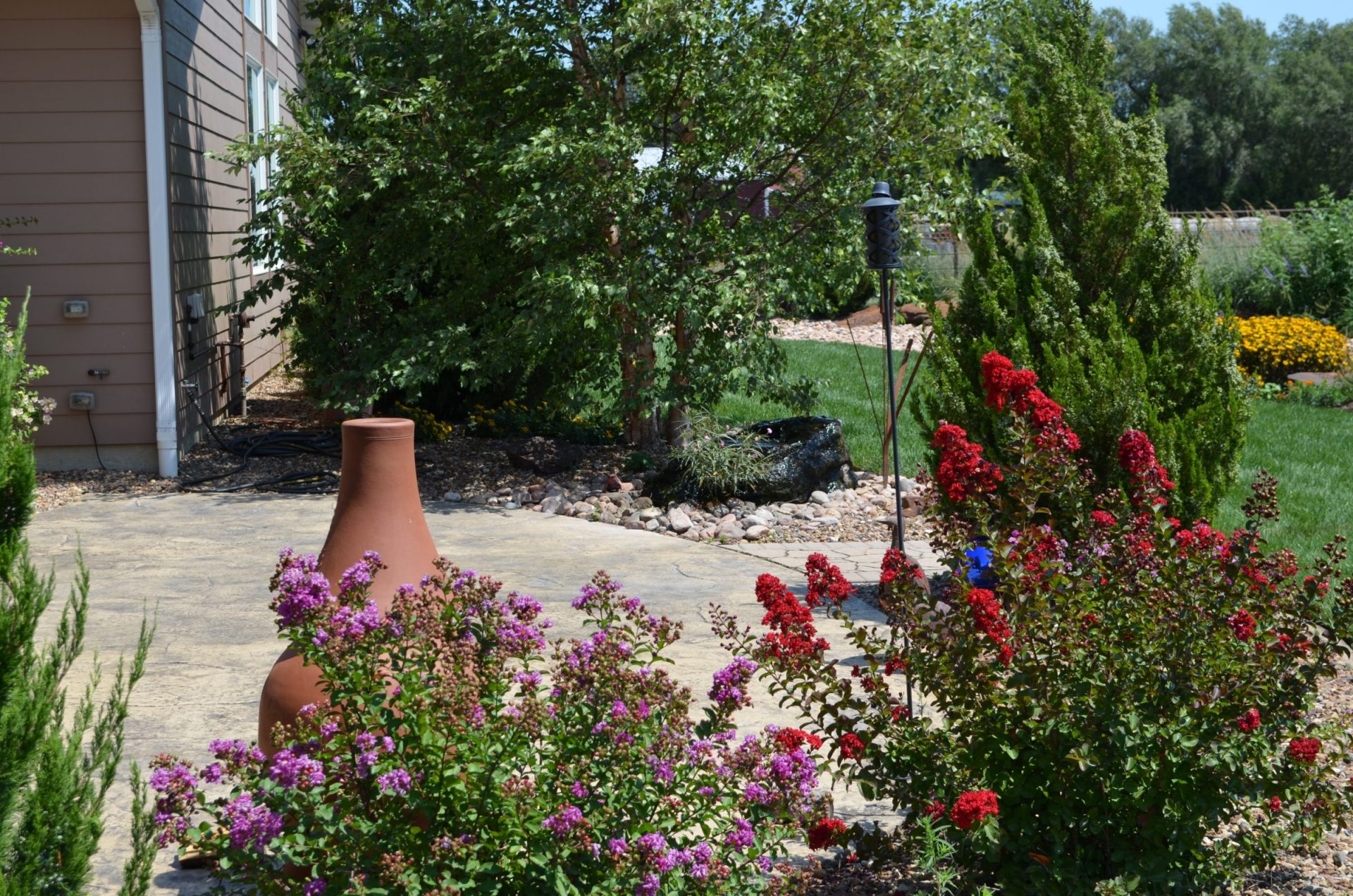
Homeowners often ask how to gain privacy without planting species that require constant pruning. This is where best native shrubs for privacy come in.
Some strong-performing options include:
- Dense broadleaf shrubs that grow naturally upright
- Small native trees that offer seasonal screening
- Layered shrub groupings for year-round coverage
The benefits of native plants in landscape construction are even clearer when you use them for screening. Native shrubs maintain their form and density because they’re adapted to your climate. They don’t need weekly shaping or extra fertilizer to stay healthy.
Small native trees also create natural structure for your yard without overwhelming the space. Whether you want filtered shade, backyard separation, or a soft property boundary, native species help you achieve it with steady growth and long lifespan.
Watering Needs By Plant Type: What Helps You Avoid Waste
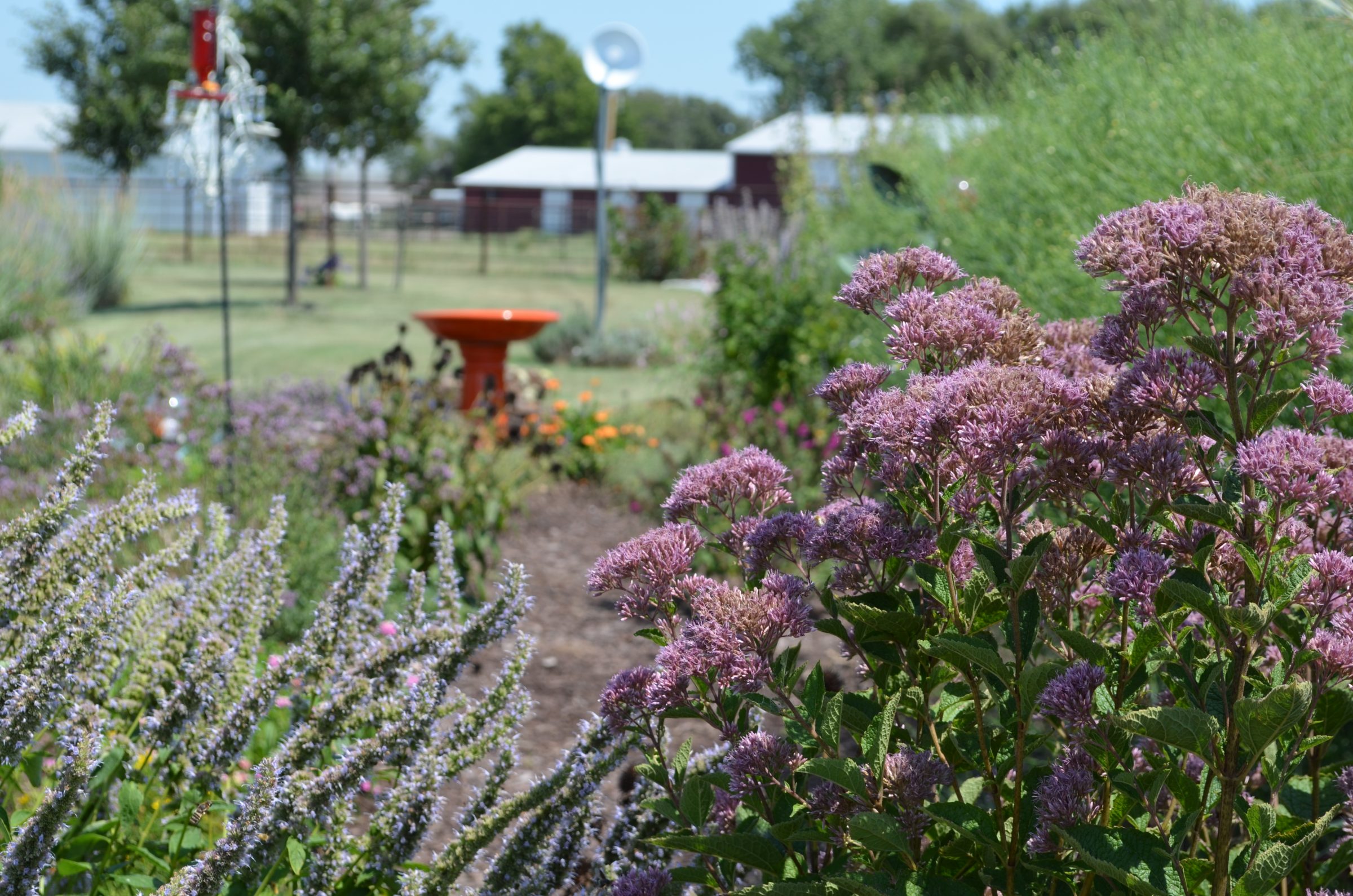
Water use is one of the biggest concerns for homeowners. Native species help reduce this burden.
The benefits of native plants in landscape construction include efficient water use. Once established, many native perennials, grasses, shrubs, and trees require significantly less frequent watering than non-native species.
Here’s how watering typically works with native plants:
During The First Year
- Routine watering helps roots secure themselves
- Consistency matters more than volume
After Establishment
- Deep roots reduce the need for weekly watering
- Plants adjust naturally to rainfall patterns
- Less stress during dry spells
Homeowners appreciate this lower demand on irrigation. It helps you avoid waste, reduce costs, and rely on a yard that stays healthy even in fluctuating conditions.
How An Educated Horticulture Staff Guide Your Selections
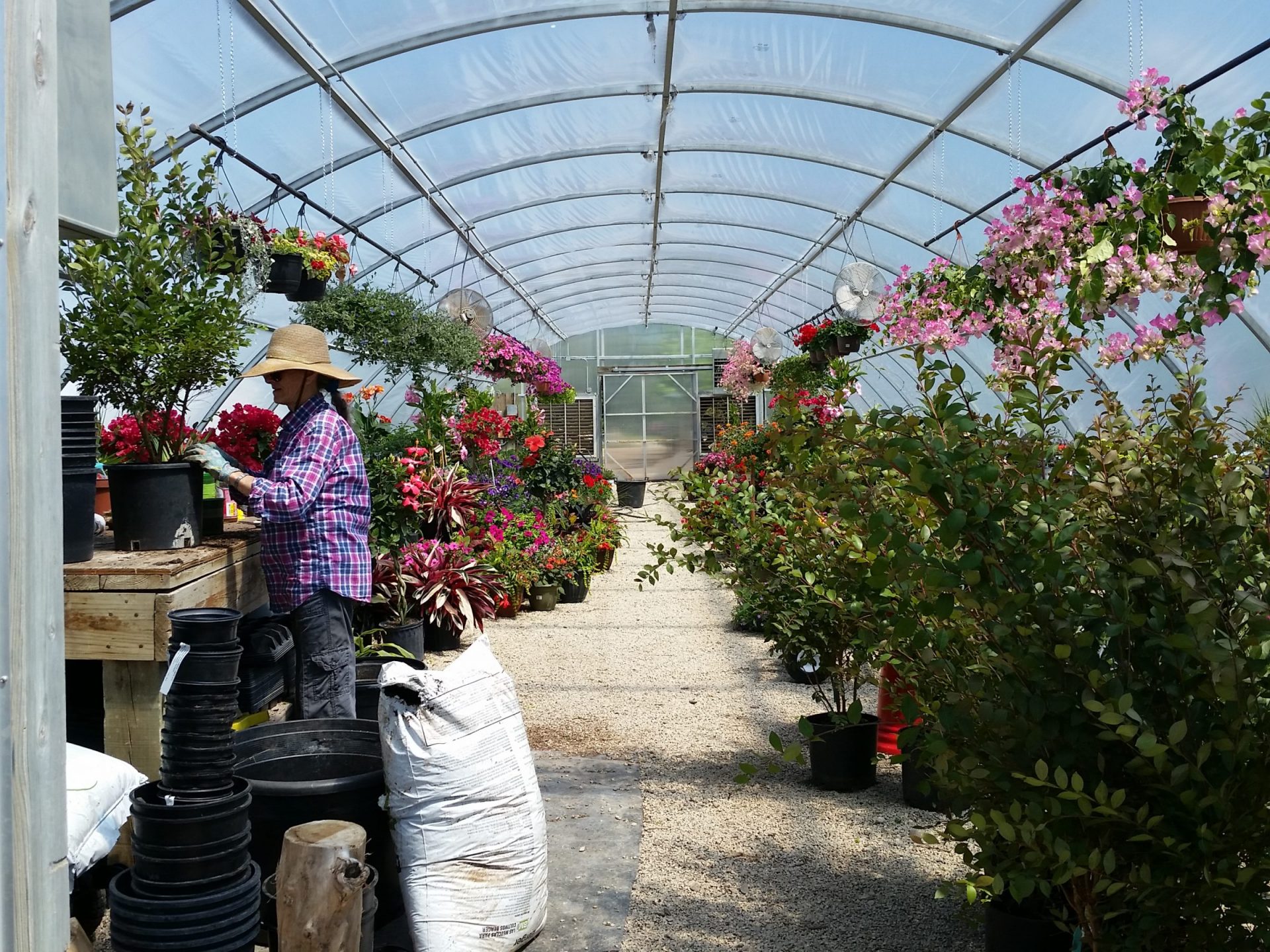
Choosing plants is easier when you choose a landscaping company with horticulture and design and build expertise. A team that understands species behaviour, soil conditions, and long-term plant health gives you confidence in your investment.
This is where Landscape Consultants stands out. You get support from a knowledgeable team that goes above and beyond. You hear back quickly, usually in under 48 hours, and you gain access to a partner that manages every part of your landscape project.
Horticulture expertise helps you:
- Select plants that suit your soil and sun exposure
- Avoid species that will struggle in your yard
- Build combinations that grow well together
- Plan for long-term seasonal changes
The benefits of native plants in landscape construction become clearer with guidance. You don’t have to guess, compare endless lists, or experiment on your own. Your selections are informed, reliable, and tailored to your yard.
Irrigation Setup That Fits Native Gardens
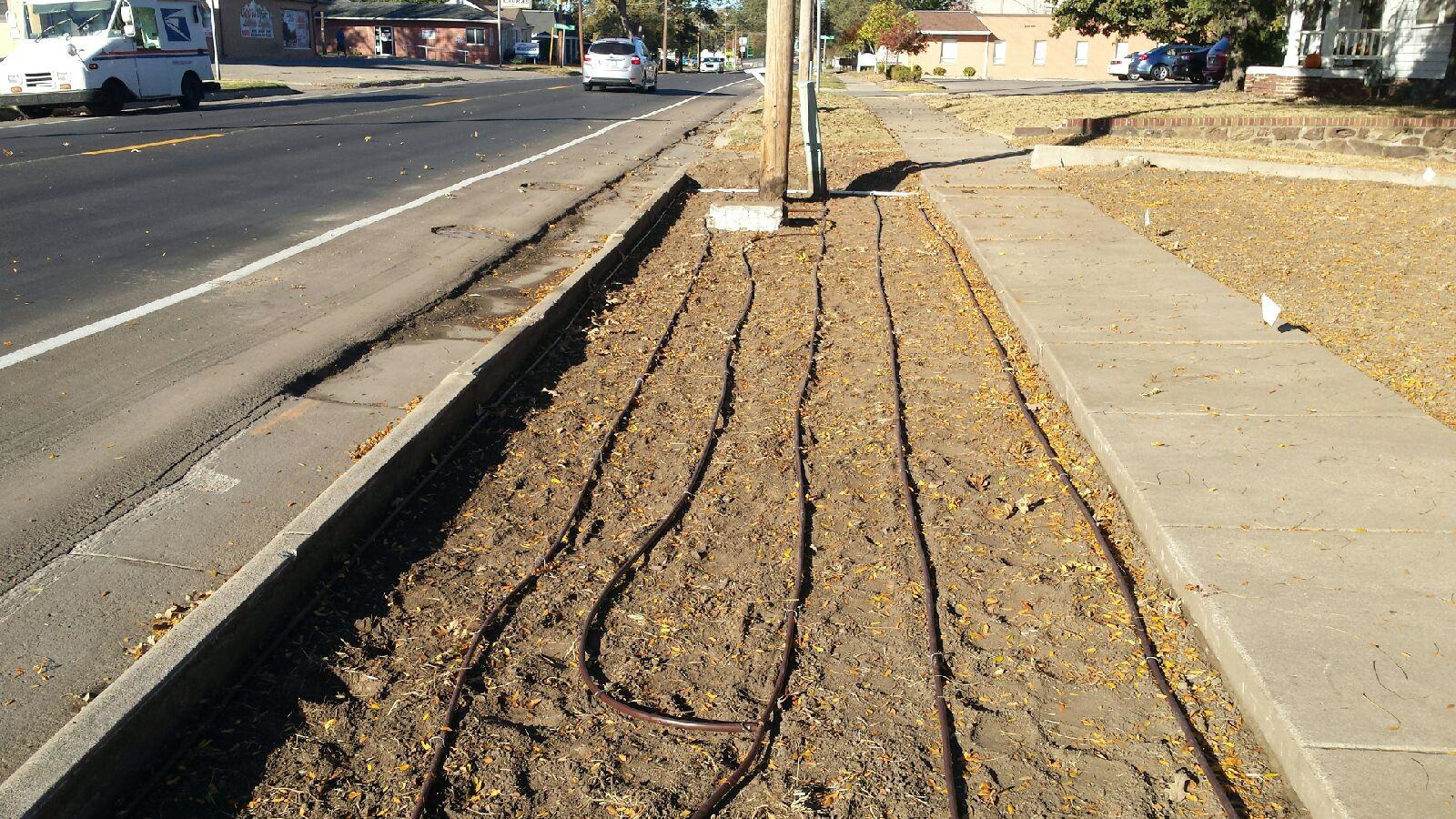
Your irrigation system should match your plants’ real needs. Native gardens often perform best with deep, occasional watering rather than frequent light watering.
A proper setup may include:
- Zones for drought-tolerant native plants
- Adjustable emitters that prevent overwatering
- Smart timers that adapt to rainfall
- Layouts that support root-deep watering
The benefits of native plants in landscape construction extend to irrigation savings. Many homeowners find that native gardens reduce overall water use and prevent the water stress common in non-native plantings.
This leads to steady plant performance and fewer issues with root rot, soil runoff, or wasted water.
Your Seasonal Care Plan For A Native-Rich Yard
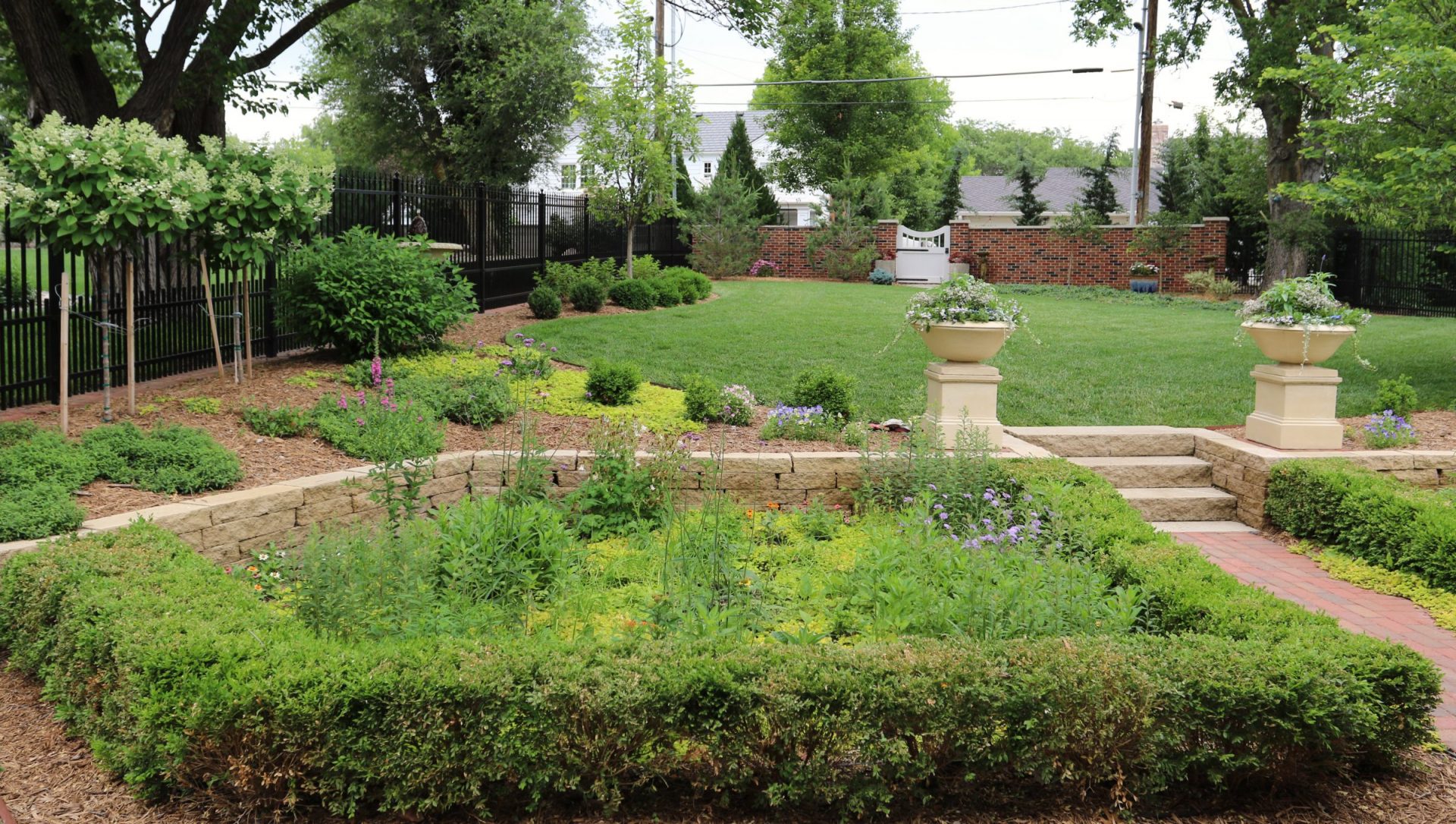
Native plants simplify seasonal care because they follow rhythms that match your region. With a plan in place, your yard stays healthy without high effort. Your year may look like this:
Spring
- Light cleanup of winter debris
- Pruning only when needed
- Dividing perennials if desired
Summer
- Occasional watering during long dry spells
- Checking for pests (native plants have lower risk)
Fall
- Cutting back selected plants
- Mulching to retain moisture
Winter
- Appreciating winter structure
- Allowing natural dormancy
The benefits of native plants in landscape construction show up most clearly when you see how little ongoing care they require. These plants are built for your climate, so they handle seasons with consistency and predictability.
How A Specialty Garden Centre And Tree Farm Improves Your Choices
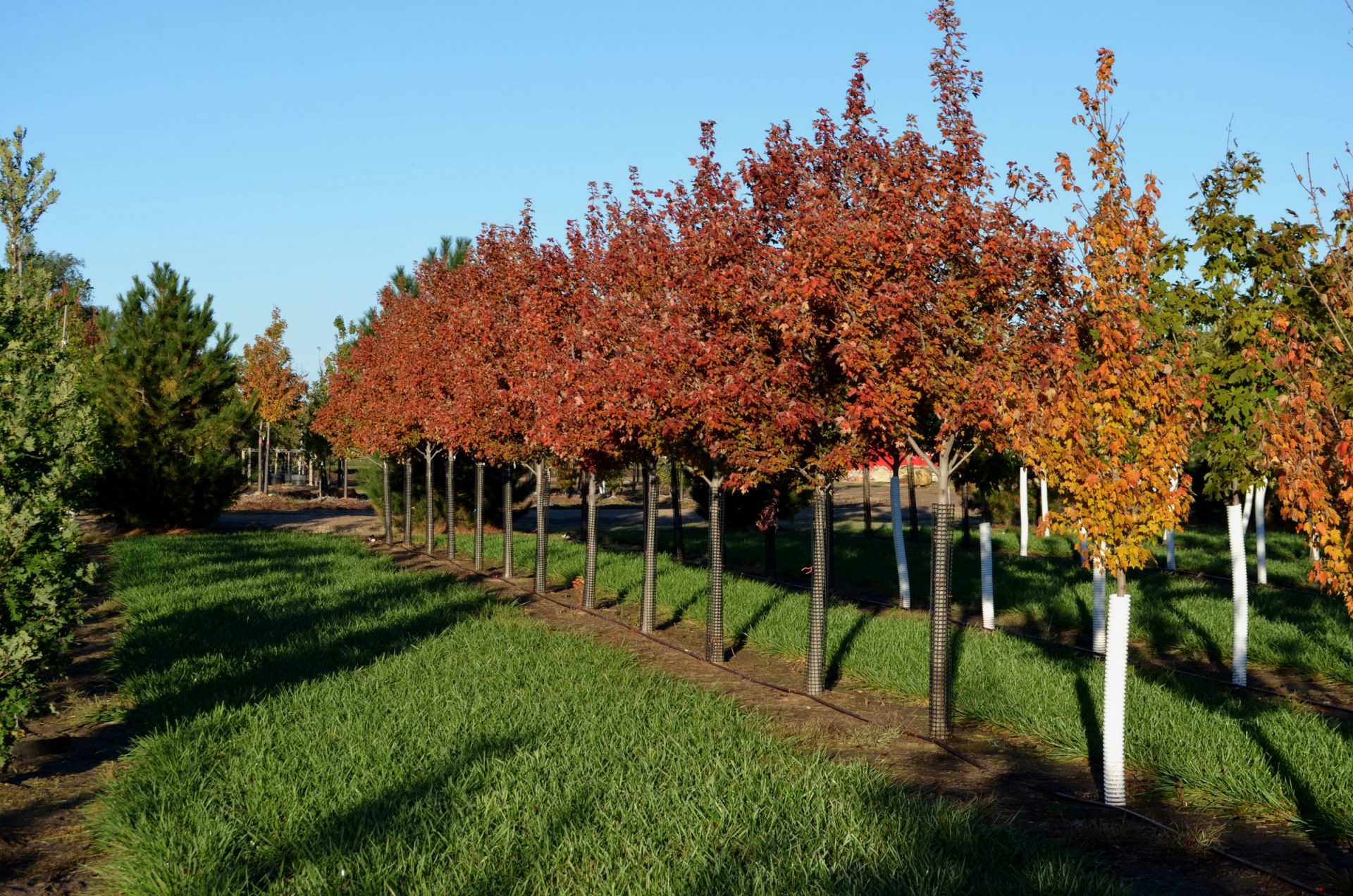
One advantage homeowners appreciate is access to a local garden centre that carries species you’re unlikely to find elsewhere. Landscape Consultants offers this benefit through their specialty selection of native plants.
You get:
- Wider plant choices
- Healthy, region-appropriate species
- Access to trees grown for long-term performance
- Knowledgeable guidance from staff who understand native varieties
Your experience improves because you’re not choosing from limited stock or relying on plants that struggle in Kansas conditions. You gain the benefits of native plants in landscape construction combined with expert support and a trustworthy source.
Bringing It All Together
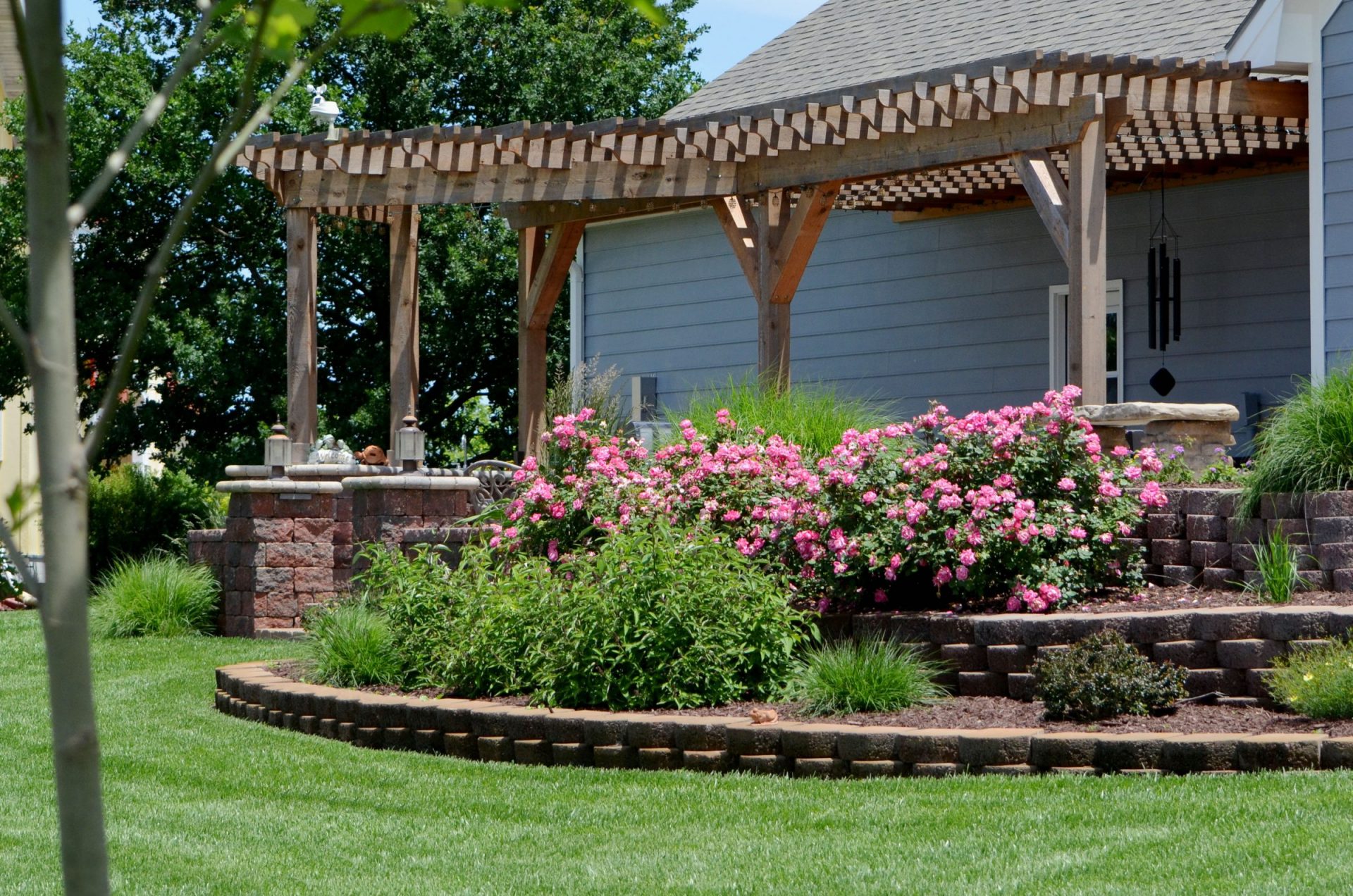
Native plants give you yard reliability, lower maintenance needs, and stronger performance across all four seasons. When you discover the full benefits of native plants in landscape construction, you see how they reduce watering demands, support privacy, and help your yard stay attractive without complicated care.
By working with a team that understands horticulture, responds quickly, and carries plant varieties you won’t find elsewhere, you set yourself up for long-term success. Your yard becomes easier to manage and more enjoyable for your household.
Ready to move toward a dependable, native-rich landscape?. Request a quote, To take the next step toward a dependable, native-rich landscape.
Summary
This guide explored the key benefits of native plants in landscape construction, including better seasonal performance, water efficiency, and steady long-term growth. You also learned how to incorporate native plants for low maintenance yards, discovered the benefits of landscaping with native plants, explored native plant palette ideas for backyards, and best native shrubs for privacy all work together to create a yard that’s durable and easy to care for. For confident choices, it helps to choose a landscaping company with horticulture expertise so your yard continues to grow well for years.
Tags: